
304 stainless steel is one of the most widely used materials in modern construction and architectural design, thanks to its balance of strength, corrosion resistance, and aesthetic versatility. This article explores the top five applications of 304 stainless steel in construction and design, explaining why it is the material of choice for both functional and decorative architectural projects.
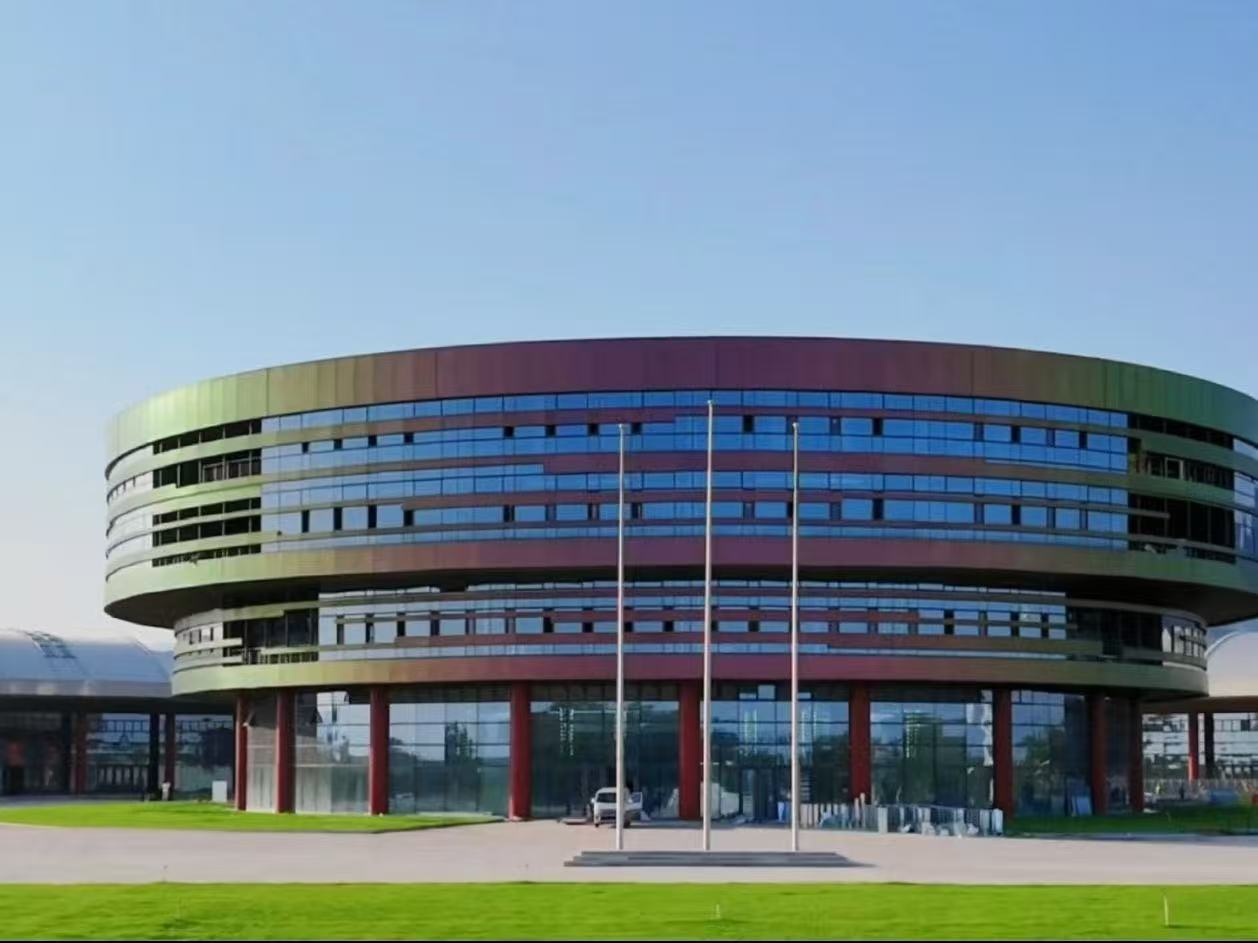
Architectural Facades and Cladding
In contemporary architecture, visual impact and durability are equally important.
304 stainless steel excels in building facades and curtain wall systems due to its:
- Corrosion resistance against rain, pollution, and urban humidity.
- Polishable surface that reflects light and maintains its shine over years.
- Compatibility with finishes such as mirror, brushed, and PVD coatings.
Architectural cladding made from 304 stainless steel is frequently used in high-rise buildings, cultural centers, and transportation hubs, where both performance and visual appeal are essential.
Example:
The facade panels of many commercial towers and airport terminals use 304 stainless steel with a mirror or hairline finish, creating a sleek, modern aesthetic that resists weathering.

Interior Wall Panels and Ceiling Systems

Inside buildings, 304 stainless steel panels bring both functionality and elegance.
They are widely used for interior walls, ceilings, and elevator cabins because:
- The material reflects ambient light, enhancing spatial depth.
- Its smooth surface resists fingerprints and smudges.
- It is easy to clean and maintain, even in high-traffic areas.
In hotels, shopping malls, and office lobbies, stainless steel with hairline, water ripple, or PVD coated finishes transforms ordinary surfaces into sophisticated design features.
Structural Components and Handrails
Beyond aesthetics, 304 stainless steel also serves a structural role.
It is used for handrails, columns, framing elements, and balustrades because of its:
- High tensile strength (~505 MPa) and elongation (~40%), offering both flexibility and load-bearing capacity.
- Excellent weldability, making fabrication and assembly efficient.
- Corrosion resistance that ensures long-term safety in both indoor and semi-outdoor spaces.
Whether it’s in metro stations or commercial staircases, 304 stainless steel handrails retain their form and shine for decades.

Decorative Elements and Art Installations
Designers favor 304 stainless steel for art walls, sculptures, and public installations due to its adaptability to surface treatments.
Popular finishes include:
- Mirror (8K) for optical reflections and depth.
- Etched or embossed textures for patterns and branding.
- Colored PVD coatings for luxury tones like bronze, black, or rose gold.
The metal’s smooth workability allows it to be shaped into complex geometric or organic forms, turning functional architecture into expressive art.

Furniture and Interior Fixtures
304 stainless steel is increasingly used in custom furniture, decorative frames, and interior fittings such as lighting panels, shelves, and countertops.
Its benefits include:
- A modern metallic finish that complements glass, stone, and wood.
- Durability in kitchens, bathrooms, and commercial environments.
- Resistance to stains, water, and cleaning chemicals, making it ideal for long-term interior use.
Luxury furniture brands often use brushed or mirror-finish 304 steel for bases, trims, and accent details, blending contemporary design with lasting quality.

Conclusion
From facades and interiors to furniture and sculptures, 304 stainless steel continues to define the standard in modern construction and design.
Its balance of performance, polishability, and affordability makes it the ideal material for architects and designers seeking both strength and beauty. Whether used as a mirror-finish feature wall or structural handrail, 304 stainless steel brings a timeless, contemporary edge to every project.
Post time: Nov-04-2025


