
Technical Indicators
-

Is Stainless Steel Hypoallergenic? An In-Depth Look
Stainless steel is a material of choice in various industries due to its strength, corrosion resistance, and aesthetic appeal. From kitchenware to medical instruments, its applications are endless. However, a common concern is whether stainless steel is hypoallergenic. This article delves into th...Read more -

Carbon Steel vs. Stainless Steel: A Comprehensive Comparison
Choosing between carbon steel and stainless steel can be a critical decision for many industries. Each type of steel has its own unique properties, advantages, and drawbacks. Understanding these differences can help you select the right material for your specific application. In this blog, we wil...Read more -

Understanding the Differences: 304, 304L, and 304H Stainless Steel
At Aoxing Mill, we are dedicated to helping our customers understand the nuances of different stainless steel grades to make informed decisions for their projects. In this blog, we will explore the distinctions between 304, 304L, and 304H stainless steel, followed by a brief overview of other 304...Read more -

Introduction: What is 310 Stainless Steel
At Aoxing Mill, we aim to provide our clients with the best stainless steel solutions for their diverse needs. In this blog, we’ll delve into the characteristics and applications of 310 stainless steel, a versatile and high-performance material used in various industries. Understanding its ...Read more -

410 Stainless Steel vs 304: What’s the Difference?
At Aoxing Mill, we understand the importance of selecting the right type of stainless steel for your projects. This blog explores the critical differences between 410 stainless steel and 304 stainless steel—two of the most commonly used materials in the industry. Each has unique properties and ap...Read more -

316L Stainless Steel vs 316: What’s the Difference?
Stainless steel alloys are known for their remarkable resistance to corrosion, achieved through the presence of chromium and other metallic elements. 316 stainless steel stands out due to its enhanced resistance to chloride and various acids, making it a popular choice for applications where expo...Read more -
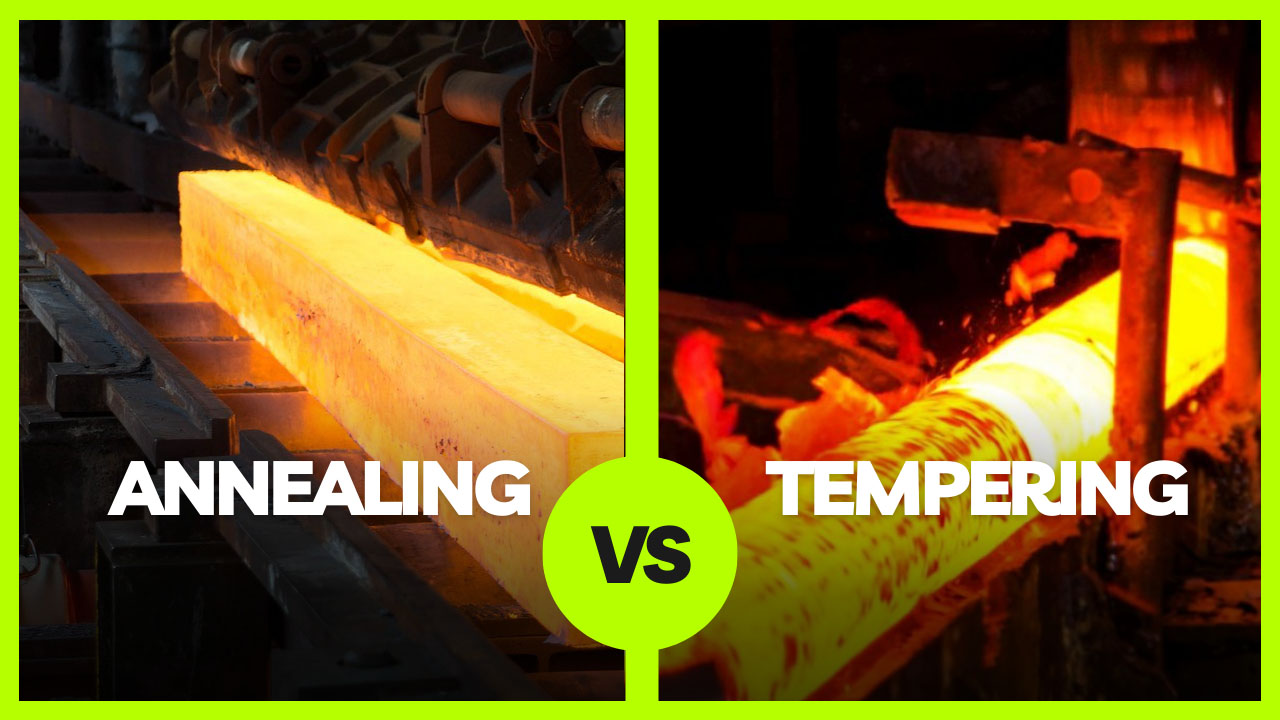
Tempering vs Annealing: What’s the Difference
In the vast landscape of material processing, tempering and annealing stand out as two pivotal heat treatment techniques widely embraced by manufacturers. Though often aimed at similar outcomes, it’s critical to recognize that tempering and annealing are not interchangeable processes. Disti...Read more -
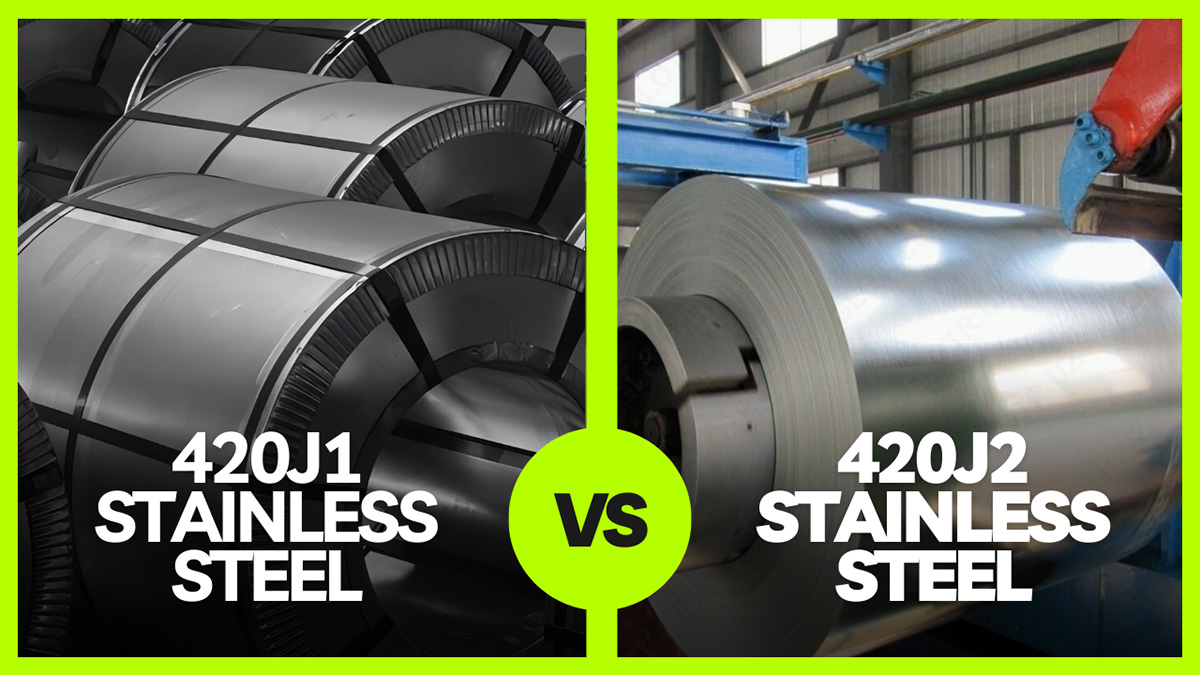
420J1 vs. 420J2 Stainless Steel: Learning the Differences
When it comes to martensitic stainless steel, the 420 grade is a notable mention known for its hardness and corrosion resistance. This grade gets its hardness from heat treatment processes such as quenching. Within this family, 420J1 and 420J2 are two prominent grades that achieve their hardness ...Read more -
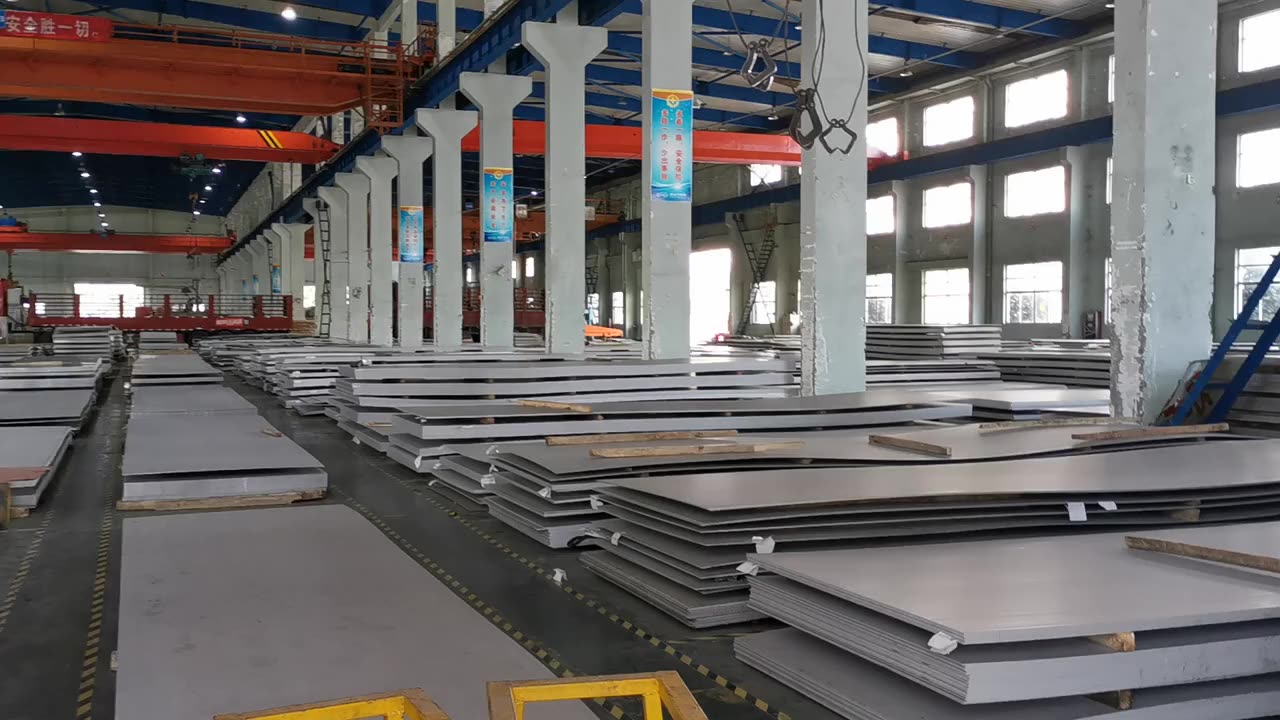
The Details About 2205 Stainless Steel You Must Know
2205 duplex stainless steel, consisting of 22% chromium, 3% molybdenum, and 4.5% nickel-nitrogen alloy (austenite-ferrite), stands out for its exceptional properties. Known as 2205 duplex steel, this nitrogen-enhanced stainless steel boasts high strength, excellent impact toughness, and superior ...Read more -
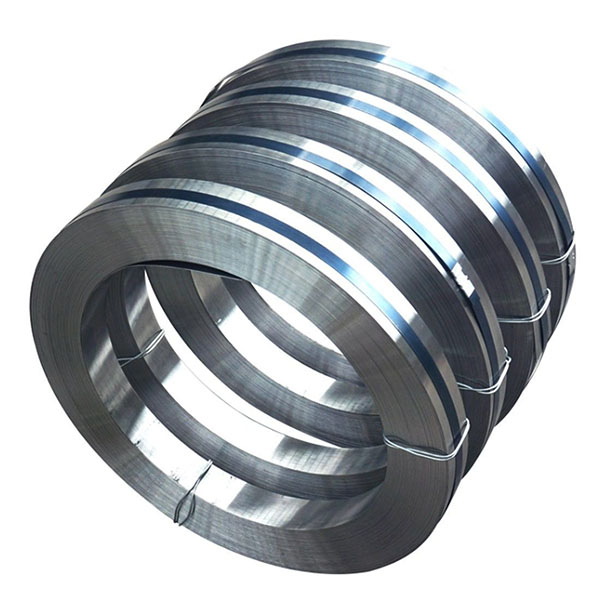
What is the difference between Half Hard 301 Stainless Steel to Full Hard 301 Stainless Steel?
301 stainless steel is renowned for its excellent corrosion resistance, bright surface finish, and especially, its versatility across a range of temper conditions: 1/4 hard 301 stainless steel, half hard 301 stainless steel, 3/4 hard 301 stainless steel, full hard 301 stainless steel, and spring ...Read more


