201 stainless steel
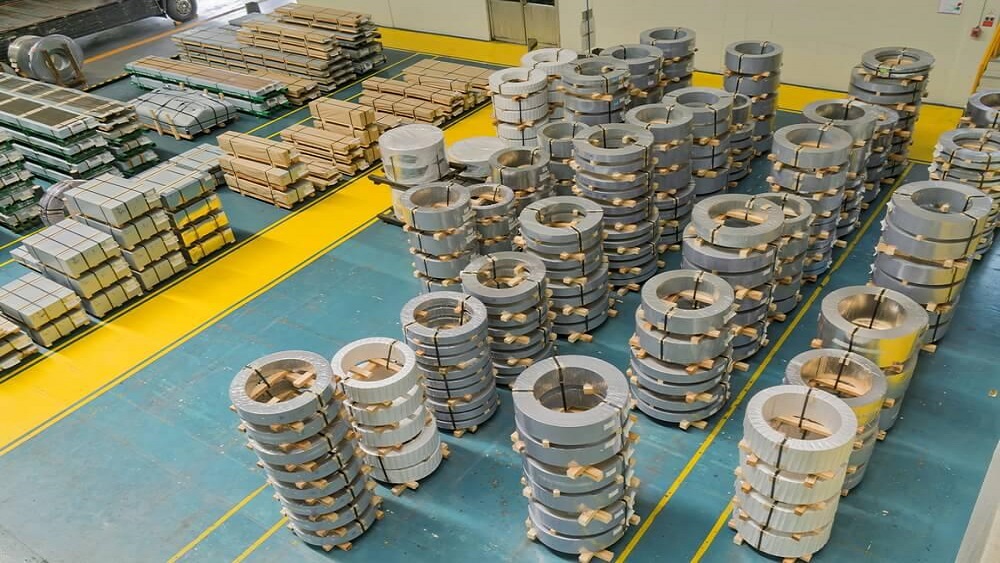
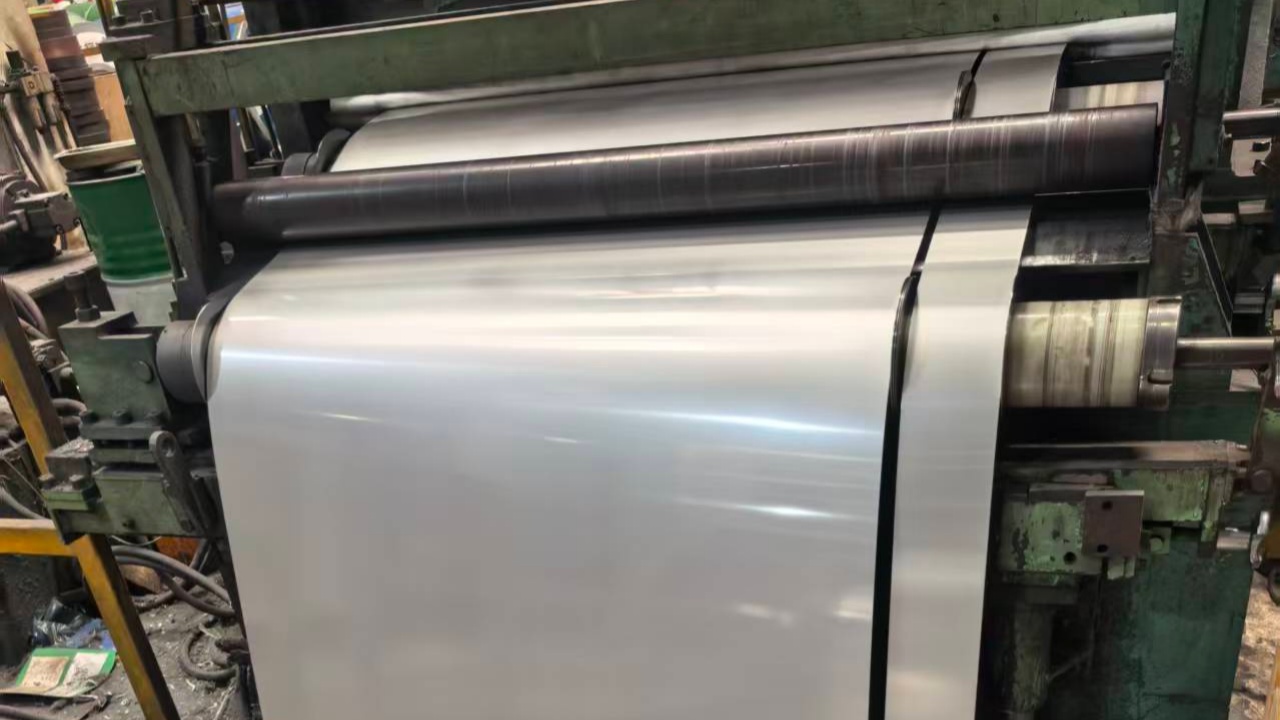
When it comes to cost-effective stainless steel materials for a wide range of manufacturing and construction projects, 201 stainless steel coil stands out as one of the most popular choices in the market today. This material has gained significant traction among fabricators, manufacturers, and contractors who need reliable performance at a budget-friendly price point.
In this comprehensive guide, we will walk you through everything you need to know about 201 stainless steel coil, from its basic properties and chemical composition to its applications and price advantages.

What Is 201 Stainless Steel Coil?
Understanding the Material Composition
201 stainless steel coil is an austenitic chromium-nickel-manganese stainless steel that was developed as a lower-cost alternative to traditional grades like 304. The key difference lies in its alloy composition: while 304 stainless steel contains approximately 8-10.5% nickel, the 201 grade substitutes a significant portion of that expensive nickel with manganese and nitrogen.
The typical chemical composition of 201 stainless steel includes:
- Chromium (Cr): 16.0% – 18.0%
- Nickel (Ni): 3.5% – 5.5%
- Manganese (Mn): 5.5% – 7.5%
- Carbon (C): ≤ 0.15%
- Silicon (Si): ≤ 0.75%
- Nitrogen (N): added for strength
- Phosphorus (P): ≤ 0.06%
- Sulfur (S): ≤ 0.03%
This reduction in nickel content is what makes 201 stainless steel significantly more affordable than 304, often reducing material costs by 30-40% depending on market conditions. The addition of manganese and nitrogen helps maintain good mechanical properties and workability.
Mechanical Properties
Before choosing a 201 stainless steel coil supplier, it's essential to understand the mechanical properties that make this material suitable for various applications.
| Property | Value |
| Tensile Strength (MPa) | ≥ 520 |
| Yield Strength 0.2% (MPa) | ≥ 275 |
| Elongation (%) | ≥ 55-60 |
| Hardness (HB) | ≤ 183 |
201 vs. 304: A Quick Comparison
When evaluating 201 coil price versus 304 price, it's helpful to understand the performance trade-offs. While 201 stainless steel coil is more affordable, 304 still holds advantages in certain areas.
| Feature | 201 Stainless Steel | 304 Stainless Steel |
| Nickel Content | 3.5-5.5% | 8-10.5% |
| Price | Lower cost | Higher cost |
| Corrosion Resistance | Moderate, suitable for mild environments | Excellent general corrosion resistance |
| Formability | Good, but lower than 304 | Excellent deep drawing capability |
| Weldability | More sensitive to welding conditions | Excellent welding performance |
| Outdoor/Marine Use | Not recommended | Suitable for many outdoor applications |
Applications of 201 Stainless Steel Coil
Architectural and Decoration
One of the largest markets for 201 stainless steel coil is architectural decoration and interior design. Its combination of good appearance and affordable cost makes it a popular choice for:
- Indoor decorative ceilings and wall panels – The material can be finished with various textures and patterns to create stunning visual effects.
- Elevator cabins and interior trims – 201 stainless steel sheet is widely used for elevator doors, wall cladding, and decorative trim in commercial buildings.
- Furniture and cabinet panels – Modern furniture designs often incorporate stainless steel for a sleek, contemporary look.
Kitchen and Household Products
The kitchenware industry is another major consumer of 201 stainless steel coil. Common products include:
- Cookware and kitchen utensils – Pots, pans, and various cooking implements
- Kitchen sinks – The material's moderate corrosion resistance is suitable for typical kitchen use
- Refrigerator and appliance panels – Many household appliances use 201 stainless steel sheet for exterior panels
- Tableware and food containers – Lower-cost stainless steel products for everyday use
Industrial and Automotive Uses
201 stainless steel coil also finds applications in various industrial sectors:
- Automotive decorative parts – Interior trim, moldings, and appearance components
- Electronic device housings – Cases and covers for consumer electronics
- Industrial pipes and tubes – Decorative and structural piping applications
Price Advantages of 201 Stainless Steel Coil
The primary advantage of 201 stainless steel coil is its significantly lower cost compared to traditional grades like 304. This cost advantage comes from the reduced nickel content – nickel is one of the most expensive alloying elements in stainless steel production.
Typical cost comparison:
- 201 stainless steel: 30-40% less expensive than 304
- Lower material cost for high-volume production
- Reduced project budgets for decorative and non-critical applications
This cost difference can be substantial, especially for large projects or high-volume manufacturing where material costs make up a significant portion of the total budget.

Frequently Asked Questions
1.What are the main differences between 201 stainless steel coils and 304 stainless steel coils?
The main difference lies in the alloy composition. 201 uses manganese to replace part of the nickel, with the nickel content being approximately 3.5% - 5.5%, while 304 has a nickel content of about 8% - 10.5%.
2.Can 201 stainless steel coil be used outdoors?
Generally, 201 stainless steel coil is not recommended for outdoor or marine applications. Long-term exposure to weather, salt, or harsh environments may cause surface discoloration or rust.
3. What is the typical MOQ for 201 stainless steel coil?
The MOQ of Aoxing Metal is 5tons, but we can also provide the quantity as you need.
4.Is 201 stainless steel magnetic?
201 stainless steel coil is essentially non-magnetic in the annealed condition. However, it becomes magnetic when cold worked.
5.What is the leading time?
It usually takes about 30 days.
6. Can 201 stainless steel coil be welded?
Yes, 201 stainless steel coil can be welded using conventional methods for chromium-nickel steels. However, like other austenitic stainless steels with carbon content above 0.03%, it may be susceptible to intergranular corrosion in the weld heat-affected zone. Proper technique and filler material selection are important.
7. What thicknesses are available for CR 201 stainless steel coil?
Cold rolled 201 stainless steel coil is commonly available in thicknesses from 0.3 mm to 3.0mm.
8.What is the difference between CR and HR 201 stainless steel coil?
CR 201 coils have a smoother surface and higher dimensional accuracy, making them suitable for decorative applications and precision processing. HR 201 coils have a rougher surface and are typically used for industrial purposes or further processing.
Provide Your Details of Inquiry
Post time: Sep-03-2026