CLICK HERE TO GET MORE INFORMATION
316L Stainless Steel Coil
316L stainless steel coil stands out as one of the most reliable austenitic materials for environments where ordinary stainless grades fall short, thanks to its molybdenum-enhanced resistance to chlorides, acids, and harsh industrial conditions. Engineers and procurement teams specify it when longevity, hygiene, and structural integrity matter more than the lowest possible material cost.
When sourcing from a trusted 316L stainless steel coil supplier, many buyers specifically look for marine grade stainless steel coil performance, 316L cold rolled coil precision, or 316L BA coil aesthetics. Others turn to a proven 316L stainless steel factory China for competitive volume supply of both coil and 316L stainless steel sheet. Understanding the grade’s chemistry, corrosion behavior, available finishes, and real-world industrial uses helps ensure the right material reaches the fabrication floor.

Composition and Why Molybdenum Matters
316L stainless steel belongs to the 300-series austenitic family. Typical composition includes 16–18% chromium, 10–14% nickel, and the critical addition of 2–3% molybdenum, with carbon held to a maximum of 0.08% (or 0.03% in the low-carbon 316LL variant). The molybdenum is the primary reason this grade outperforms 304 in chloride-bearing and many chemical environments.
Chromium forms the passive oxide film that gives stainless steel its basic corrosion resistance. Nickel stabilizes the austenitic structure, delivering excellent toughness, ductility, and weldability. Molybdenum strengthens that passive film against localized attack, particularly pitting and crevice corrosion that chlorides tend to initiate. The result is a material that maintains its integrity in coastal air, seawater splash zones, chemical processing streams, and frequent wash-down areas where 304 would eventually show staining or pitting.
Corrosion Resistance in Detail
The defining advantage of 316L stainless steel coil is its elevated resistance to localized corrosion. In neutral chloride solutions at ambient temperature, 316L can typically tolerate significantly higher chloride levels than 304 before pitting begins. This makes it the preferred choice for marine and coastal service, where salt-laden air and occasional splash are constant threats.
In chemical processing, 316L performs well against many organic and inorganic acids at moderate concentrations and temperatures. It resists sulfuric acid better than 304 in certain ranges, handles phosphoric acid effectively, and stands up to the sulfite liquors common in pulp and paper operations. For pharmaceutical and food-processing equipment that sees aggressive cleaning chemicals or salt-containing products, the extra margin provided by molybdenum reduces the risk of premature surface degradation.
It is important to note that 316L is not immune to all forms of attack. In very high-chloride, high-temperature, or strongly reducing environments, even higher-alloy grades or duplex stainless steels may be required. Proper design—avoiding tight crevices, ensuring free drainage, and maintaining clean surfaces—still plays a major role in realizing the full corrosion performance of the material.
Mechanical Properties and Fabrication Behavior
Mechanically, 316L is similar to 304. Minimum tensile strength is typically 515 MPa, yield strength around 205 MPa, and elongation at least 40% in the annealed condition. Hardness remains moderate, supporting good formability. The grade can be cold-worked to increase strength when needed, although this may introduce some magnetism.
Weldability is excellent with standard austenitic filler metals. The low-carbon 316LL version is preferred for heavy welded sections to minimize the risk of intergranular corrosion after welding. Forming characteristics are very good for deep drawing, roll forming, and stamping, which is why 316L cold rolled coil is widely used in precision fabrication.
Available Forms and Surface Finishes
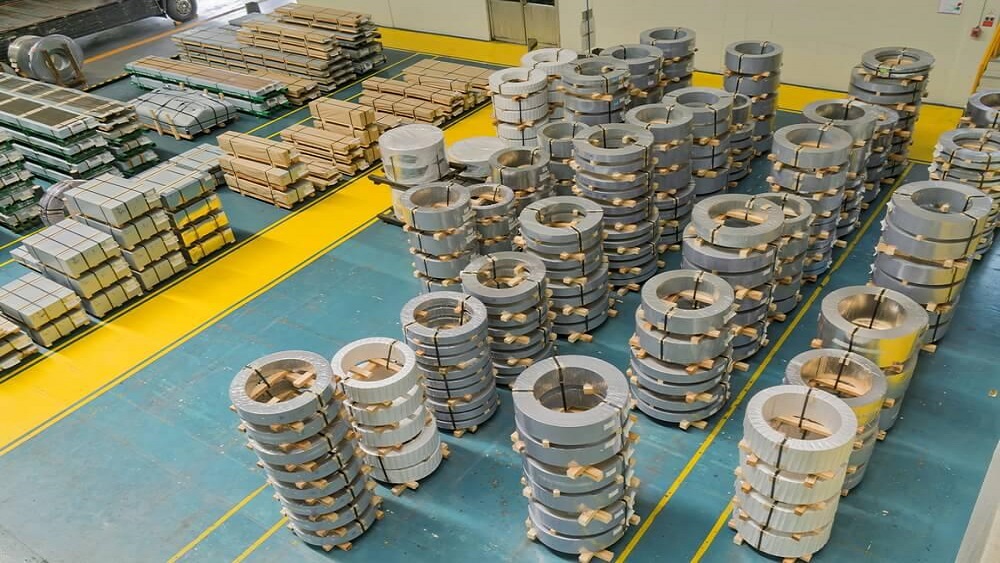
316L stainless steel coil is produced in both hot-rolled and cold-rolled conditions. Cold-rolled material offers tighter thickness tolerances, better surface quality, and improved flatness, making it the standard choice for most industrial and architectural applications. Common finishes include 2B (smooth, moderately reflective), BA (bright annealed, highly reflective), No.4 (brushed), and various polished or specialty surfaces.
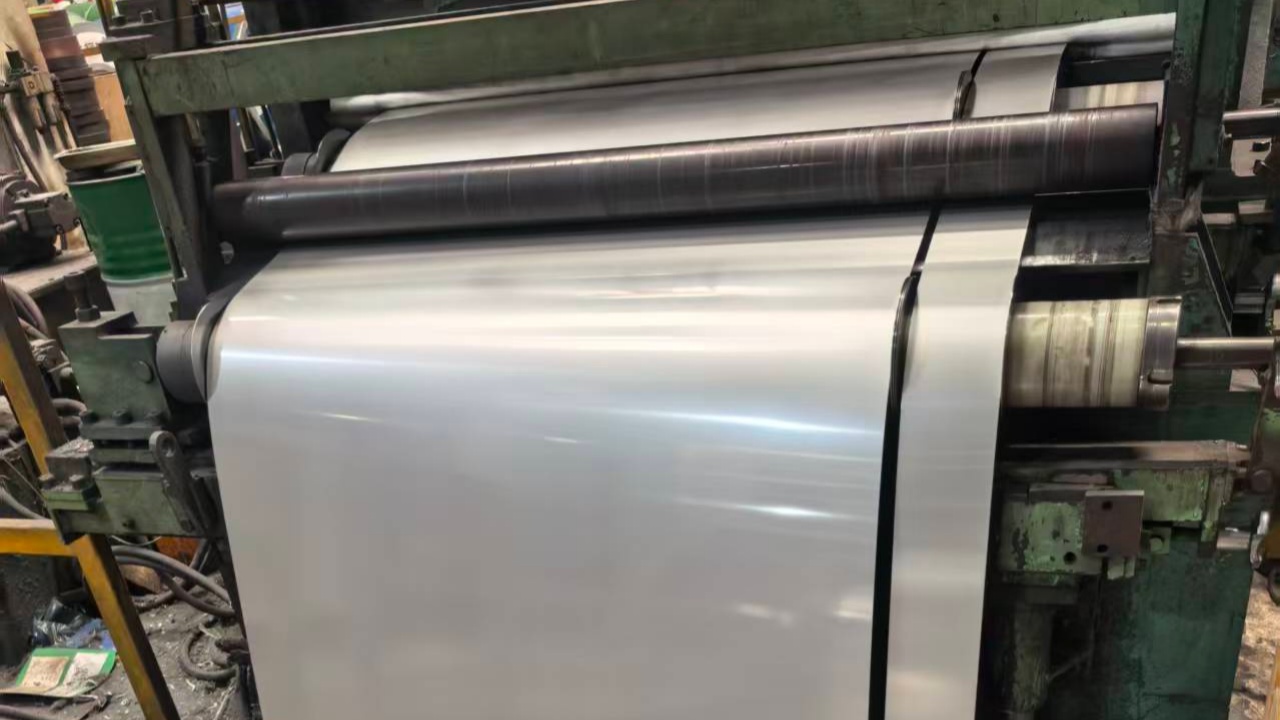
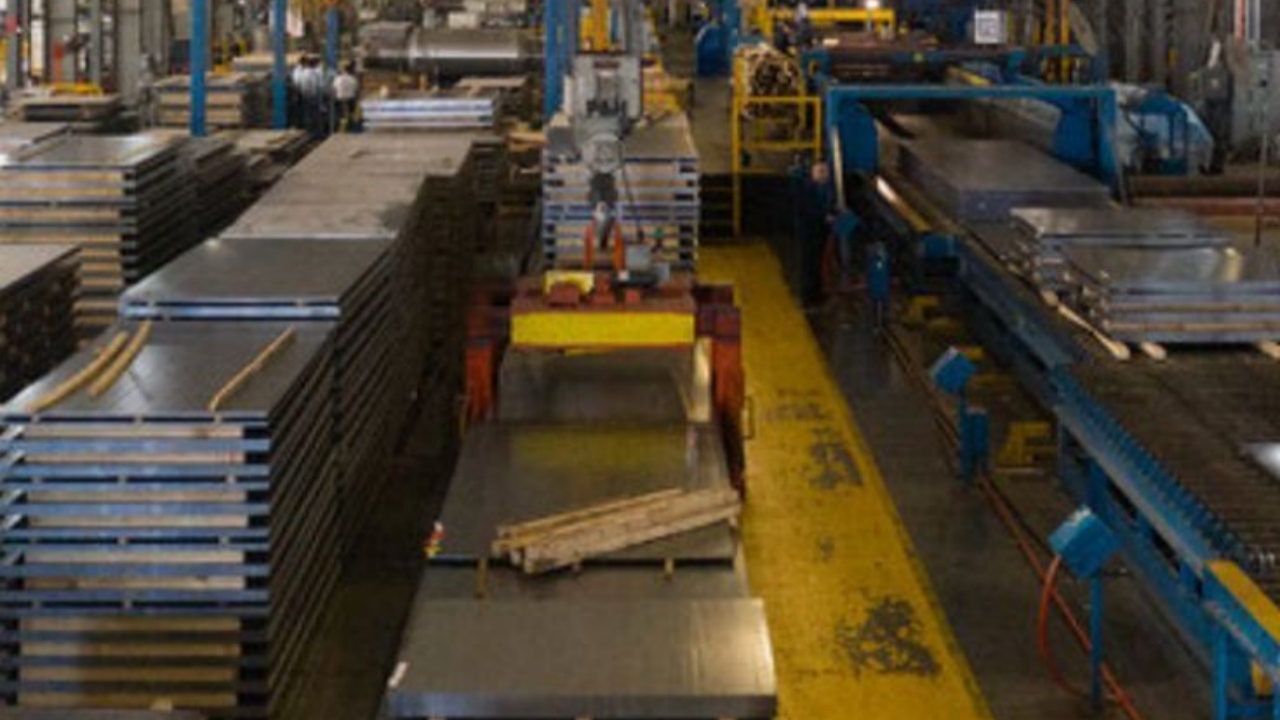
316L BA coil is particularly valued where appearance and cleanability matter—pharmaceutical equipment, high-end appliances, and visible architectural elements. 316L cold rolled coil in 2B finish remains the workhorse for general fabrication because of its balance of cost, formability, and adequate reflectivity. Many buyers also convert coil into 316L stainless steel sheet through cut-to-length processing for easier handling in smaller shops.
Industrial Applications
In the marine sector, marine grade stainless steel coil fabricated from 316L is used for deck hardware, railings, instrument housings, pump components, and structural elements exposed to saltwater or salt air. The molybdenum content provides the necessary pitting resistance that ordinary 304 cannot sustain over long service periods.
Chemical processing plants rely on 316L for tanks, reactors, piping, heat exchangers, and valves handling corrosive fluids. The grade’s combination of corrosion resistance and fabricability allows complex welded assemblies that remain reliable under continuous chemical exposure.
Food, beverage, and pharmaceutical industries specify 316L for equipment that contacts product or undergoes rigorous cleaning. The smooth surfaces achievable with 316L BA coil or polished finishes support hygienic design and reduce the risk of bacterial harborage.
Additional applications include heat exchangers, pulp-and-paper equipment, textile dyeing machinery, offshore platforms, coastal architectural features, and medical devices. In each case the decision to use 316L rather than a lower-alloy grade is driven by the need for a larger corrosion safety margin.

Comparison Table: 316L vs 304 Stainless Steel
| Property / Factor | 316L Stainless Steel | 304 Stainless Steel | Practical Implication |
| Molybdenum Content | 2.0–3.0% | None | Key driver of chloride resistance |
| Chloride / Marine Resistance | Excellent | Moderate | 316L preferred for coastal and saltwater service |
| General Corrosion Resistance | Superior in many chemical environments | Good in mild conditions | 316L offers wider safety margin |
| Cost | Higher | Lower | 304 often chosen when conditions are mild |
| Formability & Weldability | Excellent | Excellent | Both grades fabricate well |
| Typical Applications | Marine, chemical, pharmaceutical, coastal | Indoor, food equipment, general fabrication | Environment dictates the choice |
| Common Coil Forms | Cold rolled, BA, 2B, sheet | Cold rolled, BA, 2B, sheet | Similar processing routes |
This table clarifies why the extra cost of 316L is justified only when the service environment demands the additional performance.
Sourcing Considerations
Selecting a reliable 316L stainless steel coil supplier requires attention to chemistry control, surface consistency, dimensional accuracy, and documentation. Mill test certificates confirming molybdenum content, mechanical properties, and compliance with ASTM A240 or equivalent standards are essential. For volume programs, many buyers work with a 316L stainless steel factory China that can supply both coil and cut-to-length 316L stainless steel sheet under consistent quality systems.
When evaluating 316L cold rolled coil or 316L BA coil, request samples to verify surface quality and thickness uniformity. Confirm packaging methods that protect the surface during ocean freight, especially for bright finishes. Long-term partnerships with manufacturers that maintain stable process control and responsive technical support reduce the risk of quality variation over successive orders.
Fabrication and Maintenance Tips
316L stainless steel coils and sheets form and weld readily using standard practices for austenitic grades. After welding, proper cleaning and, where required, passivation restore the passive layer. Avoid carbon-steel contamination during handling and fabrication, as embedded iron particles can initiate rust staining.
In service, regular cleaning removes chloride deposits and process residues that could otherwise concentrate and attack the surface. Design features that promote drainage and avoid stagnant crevices further enhance long-term performance.
Limitations and When to Consider Alternatives
Although highly resistant, 316L is not suitable for every extreme environment. Very high temperatures combined with strong acids, or highly concentrated chloride solutions at elevated temperature, may require super-austenitic, duplex, or nickel-based alloys. Cost-sensitive indoor applications with minimal corrosion risk can often use 304 successfully. Matching the grade to the actual service conditions remains the most effective way to balance performance and economy.
316L stainless steel coil continues to be the material of choice wherever chloride resistance, chemical durability, and reliable fabrication performance are required. Whether procured as marine grade stainless steel coil, precision 316L cold rolled coil, reflective 316L BA coil, or converted into 316L stainless steel sheet from a capable 316L stainless steel factory China or specialized 316L stainless steel coil supplier, the grade delivers proven service in some of industry’s most demanding applications. Careful specification, verified chemistry, and proper fabrication practices allow users to realize the full value of this versatile molybdenum-bearing austenitic stainless steel.
Frequently Asked Questions (FAQs)
- What makes 316L stainless steel coil more corrosion resistant than 304?
The intentional addition of 2–3% molybdenum significantly improves resistance to pitting and crevice corrosion caused by chlorides and many industrial chemicals. - Is 316L stainless steel coil considered marine grade?
Yes. Because of its enhanced chloride resistance, 316L is widely accepted as marine grade stainless steel coil for coastal and saltwater-exposed applications. - What is the difference between 316L and 316LL stainless steel coil?
316LL has a lower maximum carbon content (0.03% vs 0.08%), which reduces the risk of carbide precipitation during welding and improves resistance to intergranular corrosion in the as-welded condition. - When should I choose 316L cold rolled coil over hot-rolled?
Choose 316L cold rolled coil when tighter thickness tolerances, better surface finish, improved flatness, or higher strength from cold work are required. - What surface finishes are commonly available for 316L BA coil?
316L BA coil is bright annealed and offers a highly reflective, smooth surface suitable for aesthetic and hygienic applications. Other common finishes include 2B, No.4, and polished variants. - Can I source 316L stainless steel coil from a 316L stainless steel factory China?
Yes. Many established Chinese manufacturers produce high-quality 316L and 316LL coil to international standards and supply both domestic and export markets with full mill documentation. - Is 316L stainless steel coil suitable for food and pharmaceutical equipment?
Yes. Its corrosion resistance, cleanability, and availability in smooth finishes such as BA make it a preferred material for hygienic processing equipment. - How does the cost of 316L compare with 304?
316L typically costs more than 304 because of the higher nickel and molybdenum content. The premium is justified when the service environment requires the additional corrosion performance. - Can 316L stainless steel coil be converted into sheet?
Yes. Coil is routinely processed through cut-to-length lines to produce 316L stainless steel sheet in custom or standard lengths for fabrication. - What documentation should accompany a 316L stainless steel coil order?
A complete mill test certificate showing chemical composition (including molybdenum), mechanical properties, heat number, and compliance with the ordered specification is essential for quality assurance and traceability.
COME AND GET A QUOTE
Post time: Sep-04-2026