LET'S GET A PRICE FIRST
443 vs 304
443 stainless steel has gained attention as a cost-effective alternative in applications traditionally dominated by austenitic grades like 304. With rising nickel prices and a push for nickel-free materials, many manufacturers and buyers are exploring its potential across kitchenware, automotive components, and architectural uses.
Deciding between 443 stainless steel coil and standard 304 often comes down to understanding their fundamental differences in composition, performance, and economics. While 443 vs 304 stainless steel debates frequently highlight corrosion resistance and cost, the choice depends heavily on the specific environment and requirements of your project. As a ferritic stainless steel, 443 offers unique advantages that make it worth considering, especially when sourcing from a reliable 443 manufacturer China.

Composition and Metallurgical Differences
443 stainless steel is a ferritic grade featuring approximately 21% chromium, along with titanium stabilization and very low carbon and nickel content—essentially nickel free stainless steel. This composition creates a body-centered cubic structure that differs significantly from the austenitic structure of 304, which relies on 18% chromium and 8% nickel.
The absence of nickel in 443 stainless steel not only reduces material costs but also eliminates potential nickel allergies in applications like cookware or jewelry. Titanium additions help stabilize the structure, improving weldability and resistance to intergranular corrosion compared to standard ferritic grades like 430.
In contrast, 304's nickel content enhances ductility, toughness, and corrosion resistance in certain reducing environments. However, this comes at a premium price that fluctuates with global nickel markets.
Corrosion Resistance Comparison
One of the most common questions in 443 vs 304 stainless steel discussions centers on durability. Surprisingly, the elevated chromium in 443 often delivers corrosion resistance comparable to 304 in atmospheric, moisture, and mild chloride environments—common in outdoor kitchens, grills, and household appliances.
Ferritic stainless steel like 443 performs particularly well against pitting in environments where 304 might suffer from stress corrosion cracking. However, 304 generally holds an edge in highly acidic or strongly reducing conditions. For most everyday uses, the differences are minimal, making 443 stainless steel coil an attractive option for cost-sensitive projects without sacrificing longevity.
Mechanical Properties and Fabrication
443 stainless steel exhibits good formability but lower ductility than 304. It is magnetic, which can be an advantage or drawback depending on the application. Thermal expansion is lower in 443, leading to less warping under heat cycling— a significant plus for grill manufacturers and high-temperature equipment.
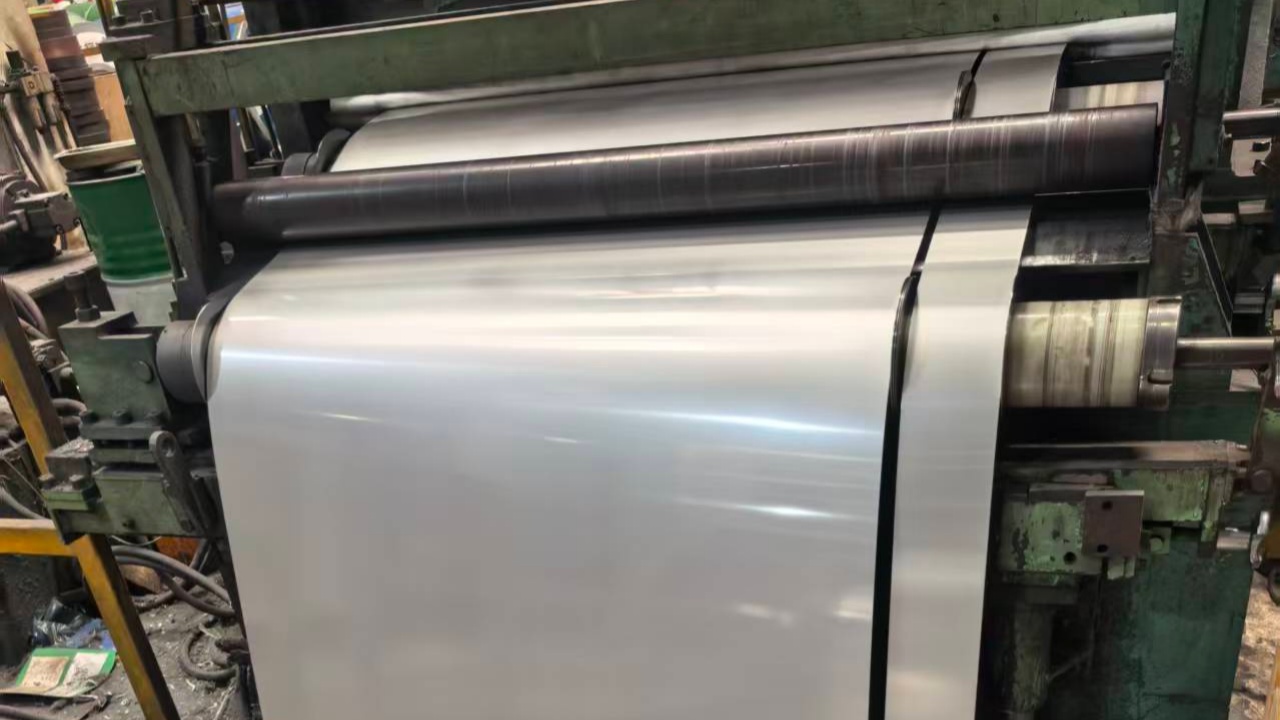
Fabrication-wise, 443 manufacturer China operations have optimized processes for stamping, drawing, and welding these coils. While 304 is easier to deep draw in complex shapes, modern processing techniques have narrowed the gap considerably for ferritic grades.
Cost Advantages and Market Availability
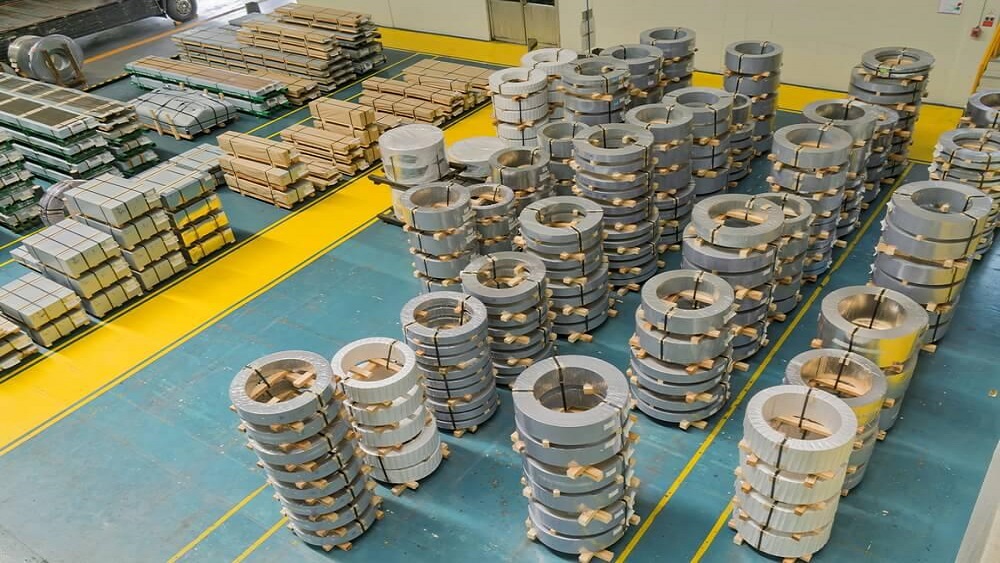
The primary driver behind interest in nickel free stainless steel is economics. Without nickel, 443 stainless steel coil typically costs 20-40% less than equivalent 304 material. This savings becomes substantial in large-scale production of appliances, automotive exhaust components, or architectural panels.
China has emerged as a key producer, with specialized 443 manufacturer China facilities offering high-quality coils in various thicknesses and finishes. These suppliers often provide competitive lead times and customization options that meet international standards.
Applications Where 443 Shines
443 stainless steel excels in:
- Outdoor grills and BBQ equipment due to heat resistance and stability.
- Kitchen sinks, cookware, and appliances where nickel sensitivity is a concern.
- Automotive trim and exhaust systems.
- Architectural elements in moderate environments.
- Solar panel frames and other structural uses.
Many 443 stainless steel coil users report excellent long-term performance with proper maintenance, especially in dry to moderately humid climates.
Detailed Side-by-Side Comparison Table
| Property | 443 Stainless Steel | 304 Stainless Steel | Winner/Notes |
|---|---|---|---|
| Structure | Ferritic | Austenitic | Depends on needs |
| Nickel Content | None (nickel free) | 8-10% | 443 for cost & allergy concerns |
| Chromium Content | ~21% | 18-20% | 443 for oxidation resistance |
| Corrosion Resistance | Excellent in many environments | Excellent, broader in acids | Tie or 304 in harsh chemicals |
| Cost | Lower | Higher | 443 |
| Magnetic | Yes | No (annealed) | Application dependent |
| Thermal Expansion | Lower | Higher | 443 for heat cycling |
| Formability | Good | Excellent | 304 for complex draws |
| Weldability | Good with stabilization | Excellent | Similar with proper technique |
| Typical Applications | Grills, appliances, automotive | Food processing, architecture | Varies by use case |
When to Choose 443 Over 304
If your project prioritizes cost savings, magnetic properties, thermal stability, or nickel-free composition, 443 stainless steel often emerges as the smarter choice. For food-contact surfaces requiring maximum versatility or highly corrosive industrial settings, 304 may still be preferable.
Many buyers start with 443 stainless steel coil prototypes to test real-world performance before full commitment.
Sourcing from China: Best Practices
Working with a reputable 443 manufacturer China requires verifying certifications, requesting samples, and reviewing production capabilities. Leading facilities offer cold-rolled coils with consistent 2B or BA finishes suitable for visible applications.
Due diligence includes checking material test reports for exact chemistry and mechanical properties.

FAQs
- Is 443 stainless steel as corrosion resistant as 304?
In many common environments like outdoor or kitchen use, yes—thanks to higher chromium content. However, 304 may perform better in strong acids or specific chemical exposures. - Why is 443 considered nickel free stainless steel?
It contains virtually no nickel, reducing costs and eliminating nickel allergy concerns while maintaining good properties through chromium and titanium. - Can I use 443 stainless steel coil for food contact applications?
Yes, many manufacturers certify it for such uses. Always verify specific regulatory compliance for your region. - Is 443 magnetic while 304 is not?
Correct. This ferritic grade is magnetic, which can be useful for certain attachments or detection but may not suit applications needing non-magnetic material. - How does the price of 443 compare to 304?
Typically significantly lower due to the absence of nickel, making it attractive for high-volume production. - What are the main applications where 443 outperforms 304?
Heat-cycling applications like grills, where lower thermal expansion reduces warping, and cost-sensitive projects. - Where can I find a reliable 443 manufacturer China?
Look for established exporters with proper certifications. Request samples and audit their quality control processes. - Is 443 easier or harder to weld than 304?
With proper techniques and filler materials, both weld well, though 443 benefits from its stabilization elements. - Does 443 stainless steel rust eventually?
Like all stainless steels, it can if exposed to very aggressive conditions without maintenance, but it offers excellent resistance for its class. - Can 443 replace 304 in all applications?
Not universally—evaluate based on mechanical demands, environment, and regulatory needs. Testing is recommended for critical uses.
Ready to get more information
Post time: Jul-24-2026