BA and 2B stainless steel
If you've ever ordered stainless steel sheets or coils, you've likely come across the terms "2B" and "BA." At first glance, they might look similar—both are shiny, both are cold-rolled finishes. But if you put them side by side, the difference is obvious. Understanding BA stainless steel vs 2B stainless steel is essential if you want to pick the right material for your project, whether you're making kitchen equipment, architectural panels, or industrial tanks.
This guide breaks down the BA vs 2B finish comparison in plain language. We'll cover how each finish is made, what they look like, where they work best, and how to choose between them.
The Basics: What Do "2B" and "BA" Actually Mean?
Both BA and 2B finishes are cold-rolled finishes, but the manufacturing process is different. This difference affects the appearance, performance, and cost of the final product.
What Is 2B Finish?
2B is the most common stainless steel finish you'll find on the market. It's the standard finish for most industrial and general-purpose applications. The "2" means it's a cold-rolled finish, and the "B" indicates that it has been brightened with a light skin pass.
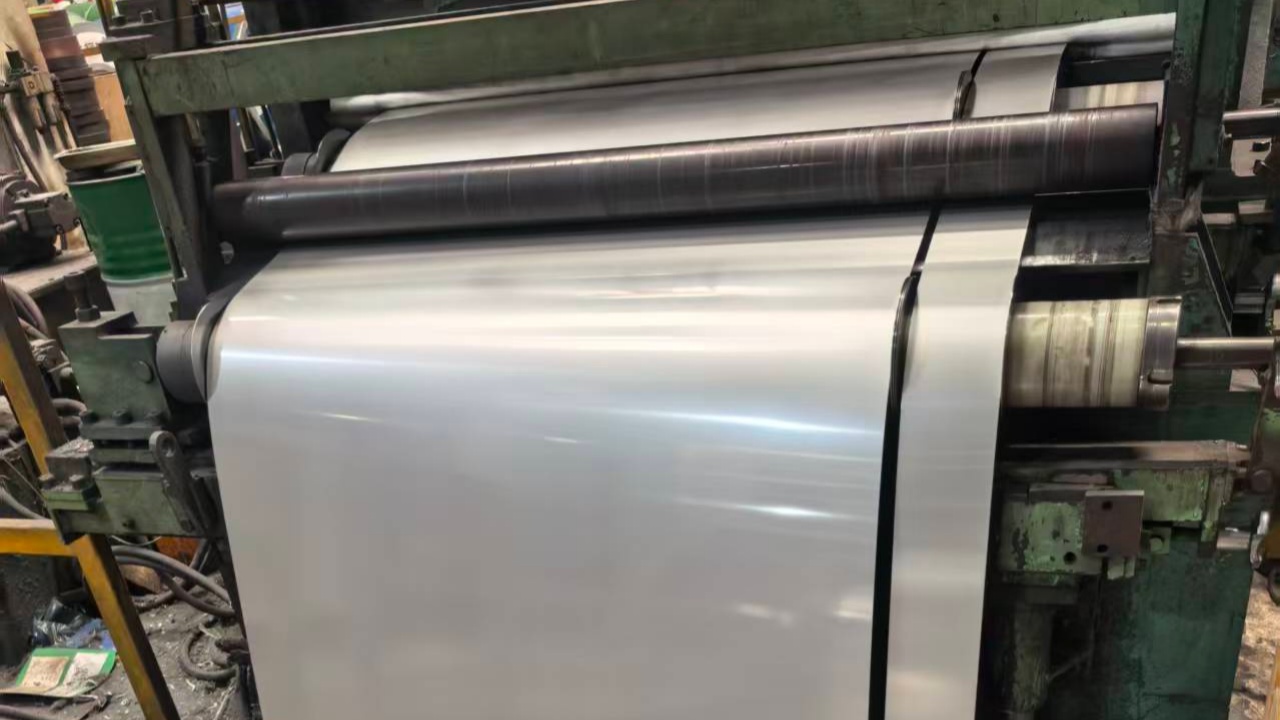
Here's how it's made: The steel is hot-rolled first, then cold-rolled to reduce thickness. After that, it goes through annealing and pickling . Finally, it gets a light "skin pass" through polished rolls. This final step gives 2B its smooth, moderately reflective surface.
What Is BA (Bright Annealed) Finish?
BA stands for "Bright Annealed." It's also a cold-rolled finish, but the key difference is the annealing process. Instead of annealing in a regular furnace with oxygen, BA steel is annealed in a controlled atmosphere furnace filled with hydrogen and nitrogen. This prevents oxidation, so the surface stays bright and clean without the need for pickling.The result is a much smoother, more reflective surface that approaches a mirror-like appearance.
The Manufacturing Process
Every process steps determine everything about the final surface.
How 2B Is Produced
- Hot rolling : The steel is rolled at high temperature to reduce thickness.
- Annealing : The steel is heated in an oxygen-rich furnace to soften it.
- Pickling : Acid baths remove the scale and oxidation that formed during annealing.
- Cold rolling : The steel is rolled again at room temperature to achieve the final thickness and improve surface smoothness.
- Final annealing and pickling : The cold-rolled steel is annealed and pickled once more.
- Skin pass : A final light pass through highly polished rolls gives the steel its characteristic semi-reflective finish
Because of the pickling step, 2B steel is highly corrosion-resistant—the acid removes impurities and creates a clean surface
How BA Is Produced
Hot rolling : Same as 2B.
Annealing in a controlled atmosphere : Instead of an oxygen furnace, the steel is annealed in a hydrogen-nitrogen atmosphere. This prevents oxidation, so no scale forms.
Cold rolling : The steel is cold-rolled to final thickness.
Bright annealing : The final annealing step is also done in a controlled atmosphere. The bright, clean surface from the cold rolling is preserved.
Because there's no pickling step, the surface retains its smoothness and reflectivity. Some BA finishes may also receive a light skin pass on polished rolls to enhance the luster.
Key Differences in the Production Process
| Aspect | 2B Finish | BA Finish |
| Annealing atmosphere | Oxygen-rich (oxidizing) | Hydrogen-nitrogen (reducing) |
| Pickling required? | Yes | No |
| Skin pass | Yes (light pass on polished rolls) | Sometimes (optional) |
| Surface oxidation | Removed by pickling | Prevented during annealing |
| Typical roughness (Ra) | ~0.1 - 1.0 μm | Very smooth (hard to measure with standard instruments) |
Appearance Comparison
If you place a sheet of 2B next to a sheet of BA, you'll see the difference immediately.
2B Appearance
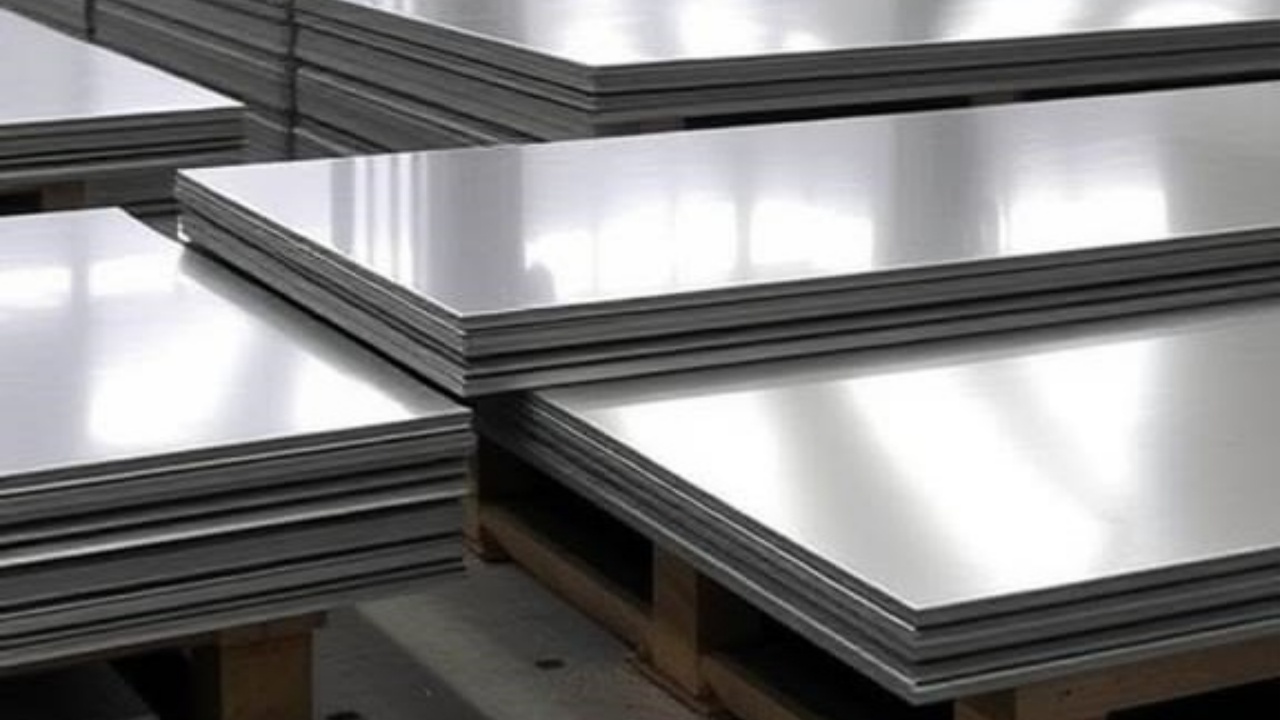
It's reflective but not crisp. You can see your reflection, but it's somewhat distorted, like looking into a slightly fogged mirror. It has a uniform, moderately bright appearance that works well for most applications.
BA Appearance
BA is significantly brighter and more reflective. It approaches a mirror-like finish, though it's not quite as reflective as a true 8k mirror polish. Some descriptions mention a slight "milkiness" in the finish that keeps it from being a perfect mirror.BA finish is much more uniform in appearance than 2B.
Performance Comparison: Corrosion Resistance and Durability
Appearance matters, but performance is what counts in the long run.
Corrosion Resistance
Both 2B and BA finishes offer good corrosion resistance, but there are differences worth noting.
2B finish is pickled during production, which removes surface impurities and creates a clean, passive layer. This makes it highly corrosion-resistant for most environments. However, the pickling process does create microscopic roughness that can affect the passive film.
BA finish, because it's annealed in a controlled atmosphere, forms a passive film that is smoother and more uniform. Some studies have shown that BA finish has better resistance to pitting corrosion in chloride-containing environments compared to 2B. This is because the BA passive film has fewer defects that can initiate pitting.
Durability and Maintenance
Both finishes are durable, but maintenance requirements differ.
2B is more tolerant of handling and fabrication. Minor scratches are less noticeable than on a bright, reflective BA surface. It's also easier to match 2B after welding or fabrication if you need to blend the finish.
BA is more delicate. Because it's so reflective, any scratches or surface defects stand out. It also needs more careful handling to avoid marking during fabrication. On the positive side, the smooth surface is easier to clean and less likely to trap dirt or bacteria—which is why it's often used in food processing and medical equipment.

Applications comparison
Common Applications for 2B Finish
2B is the most versatile finish and works well in a wide range of industries:
Industrial equipment: Tanks, vessels, pipes, and process equipment
Chemical processing: Equipment that needs corrosion resistance but not a decorative finish
Food processing: Tanks, conveyors, and equipment (though food-contact surfaces often use other finishes)
Architectural: Downpipes, gutters, and other elements that won't be closely inspected
General fabrication: Parts and components where appearance isn't critical.
Common Applications for BA Finish
BA is chosen when appearance matters or when you need an ultra-smooth surface:
Appliances: Interior of dishwashers and washing machines
Architectural: Decorative panels, elevator interiors, trim
Food equipment: Components that need easy cleaning and a hygienic surface
Cookware: Pots, pans, and other kitchen items
Automotive trim: Decorative moldings
Substrate for polishing: BA is preferred as a starting point for high-quality mechanical polishing

Frequently Asked Questions
1. What's the main difference between 2B and BA stainless steel?
The main difference is the annealing process. 2B is annealed in an oxygen furnace and then pickled, while BA is annealed in a controlled atmosphere furnace that prevents oxidation, resulting in a brighter, smoother surface.
2. Is BA finish a mirror finish?
BA is highly reflective and approaches a mirror-like appearance, but it's not a true mirror finish.
3. Which finish is more durable?
Both are durable, but BA is more susceptible to visible scratches because of its reflective surface.
4. What is the leading time?
It usually takes about 25-30 days.
5. What is the MOQ?
Moq is 5 tons. But we can also provide as you need.
6.Which finish is better for kitchen appliances?
BA is often used for appliances, especially for visible surfaces that need a bright, appealing look. However, 2B is also used for some appliance components.
7.Which finish costs more?
BA costs more because the controlled atmosphere annealing process is more expensive.
8. Can I get samples?
Sure, we can share both 2B and BA samples for you to compare.
Conclusion
At Aoxing Metal, we understand that every project has unique requirements. We stock both 2B and BA finishes in a range of grades and dimensions, and our team can help you select the right material for your specific application. Whether you need standard 2B coils for industrial use or BA sheets for a decorative project, we've got you covered. Contact us to discuss your stainless steel needs—we're here to help you make the right call.
Provide Your Details of Inquiry
Post time: Aug-26-2026