LET'S GET MORE DETAILS
How to Choose a Reliable Stainless Steel Mill in China
Stainless steel mill operations in China represent a cornerstone of the global metals industry, delivering high-volume, high-quality materials that power everything from construction to consumer goods. Selecting the right partner among the many options requires careful evaluation of capabilities, track record, and alignment with your specific needs.
Navigating the landscape of a China stainless steel mill can feel overwhelming at first, especially when you need consistent quality for demanding applications. Many buyers specifically look for a cold rolling mill specialist or a full-service stainless steel manufacturer China that can handle everything from raw melting to precision finishing. Whether you're sourcing from a large stainless steel production factory or seeking an OEM stainless steel mill for custom specifications, the decision impacts your supply chain reliability, product performance, and overall costs for years to come.

Understanding the Chinese Stainless Steel Industry Landscape
China dominates global stainless steel production, accounting for a massive share of worldwide output thanks to advanced technology, abundant raw materials, and efficient supply chains. A reputable stainless steel mill here often integrates multiple processes under one roof, including electric arc furnaces, continuous casting, hot rolling, annealing, pickling, and cold rolling lines.
This vertical integration allows China stainless steel mill facilities to control quality at every stage while maintaining competitive pricing. However, not all mills are created equal. Some excel in high-volume commodity grades, while others specialize in precision cold rolling mill operations for thin gauges, special finishes, or high-alloy variants.
When evaluating a stainless steel manufacturer China, look beyond the brochure. Visit facilities if possible, review certifications like ISO 9001, IATF 16949 for automotive, or specific industry approvals. Established players often export to Europe, North America, and Asia with full traceability from melt to finished coil.
Key Factors to Consider When Choosing a Stainless Steel Mill
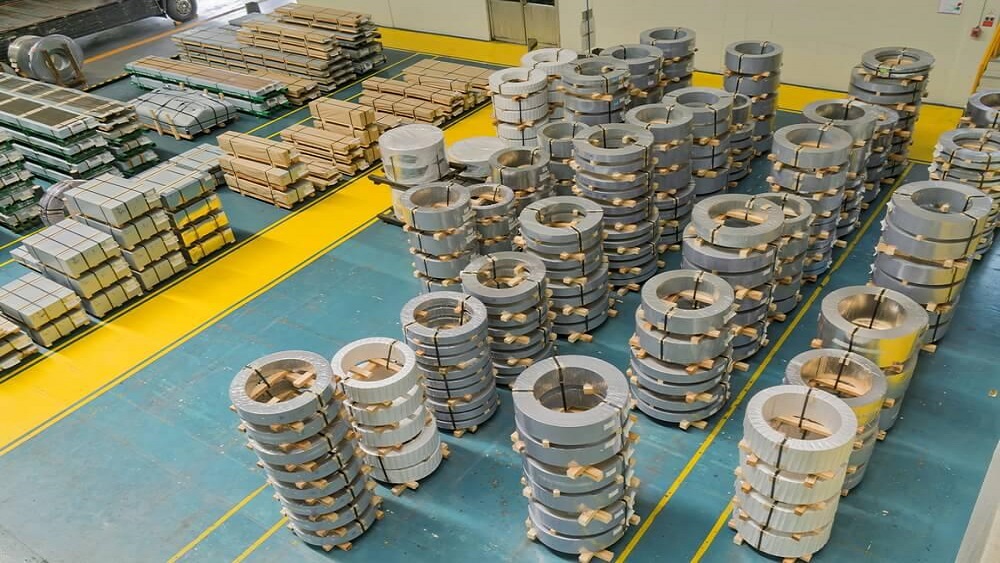
Capacity and Production Scale: A reliable stainless steel production factory should demonstrate substantial annual output and the ability to scale with your orders. Check their monthly capacity for your required grades and dimensions.
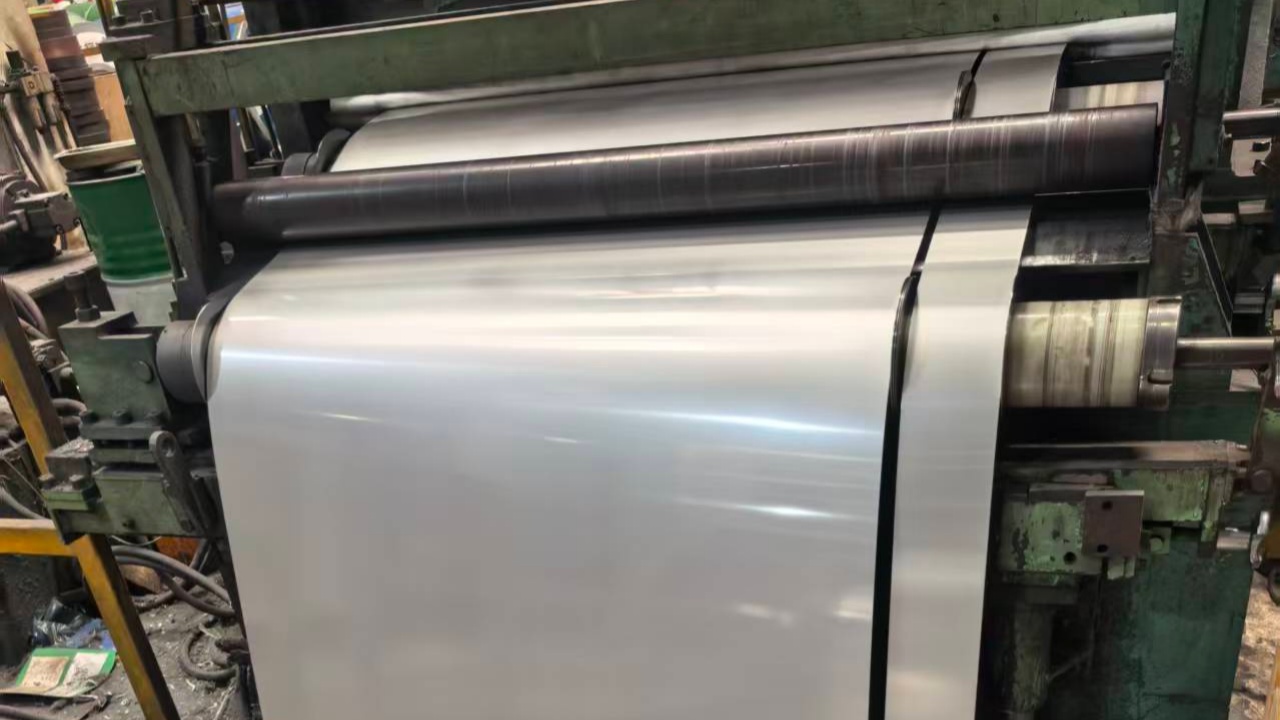
Technology and Equipment: Modern cold rolling mill lines with AGC (automatic gauge control), shape control systems, and online inspection ensure tight tolerances and superior surface quality. Ask about their annealing and pickling lines, slitting capabilities, and finishing equipment for 2B, BA, No.4, or mirror finishes.
Quality Control Systems: Top mills maintain in-house labs for chemical analysis, mechanical testing, corrosion tests, and non-destructive testing. They should provide mill test certificates (MTC) compliant with EN 10204 3.1 or 3.2 standards.
Product Range: Does the OEM stainless steel mill handle 300 series (304, 316L), 400 series(430), duplex, or special alloys? Can they produce coils, sheets, strips, pipes, or custom profiles?
Experience and Reputation: Years in operation matter. Mills with decades of history have refined processes and built strong supplier relationships. Review client testimonials, export records, and third-party audit reports.
Customization and OEM Capabilities: Many buyers need tailored solutions. A flexible stainless steel manufacturer China offers slitting, edging, polishing, protective film application, and even just-in-time delivery.
Sustainability Practices: Leading facilities invest in emission controls, water recycling, and energy-efficient equipment to meet international environmental standards.
Logistics and Export Expertise: Reliable partners handle packaging, documentation, and shipping smoothly, minimizing delays and damage.
Pricing Transparency: While cost is important, the lowest price often signals compromises in quality. Seek a balance with clear breakdowns of base material, processing, and extras.
In-Depth Evaluation Criteria for a China Stainless Steel Mill
Diving deeper, technical due diligence separates good options from great ones. For cold rolling mill operations, examine reduction ratios, rolling speeds, and flatness control. Advanced mills use 4-high, 6-high, 18-high, or 20-high configurations depending on the product.
Surface finish consistency is critical for many end uses. A quality stainless steel production factory maintains strict controls to avoid defects like orange peel, scratches, or edge waves.
Supply chain stability also counts. Does the mill source raw materials from reputable suppliers? How do they manage nickel and chromium price volatility?
Customer service responsiveness reveals a lot. Prompt technical support, clear communication, and willingness to accommodate small trial orders indicate a partner invested in long-term relationships.

Evaluating Different Types of Stainless Steel Mills in China
| Criteria | Large Integrated Mill | Specialized Cold Rolling Mill | OEM/Contract Manufacturer |
|---|---|---|---|
| Production Capacity | Very High (100,000+ tons/month) | Medium to High | Flexible, often smaller batches |
| Product Range | Broad (coils, sheets, pipes) | Focused on precision coils/strips | Highly customizable |
| Technology Level | State-of-the-art full lines | Advanced rolling & finishing | Adaptable to client specs |
| Quality Consistency | Excellent with strong QC | Superior for surface & tolerance | Good when audited |
| MOQ | Higher | Medium | Lower |
| Lead Time | Standard 15-45 days | 10-30 days | Project-based |
| Best For | High-volume commodity orders | Precision thin gauge & finishes | Custom OEM projects |
| Cost Efficiency | Best for bulk | Competitive for specialty | Value in flexibility |
Red Flags to Watch Out For
Avoid mills with inconsistent test reports, reluctance to share facility photos or videos, or history of quality complaints on platforms like Made-in-China or global directories. Poor English communication or evasive answers about certifications often signal problems.
Overpromising on delivery times or unrealistically low prices frequently leads to disappointments in material performance or hidden fees.
Step-by-Step Guide to Selecting Your Partner
- Define Your Needs Clearly: Specify grades, dimensions, quantities, finishes, and applications.
- Research Shortlist: Use industry directories, trade shows (like Canton Fair), and recommendations to identify 5-10 potential China stainless steel mill candidates.
- Request Quotations and Samples: Compare technical proposals and test sample quality thoroughly.
- Conduct Audits: Virtual or on-site visits to verify processes.
- Review Contracts: Pay attention to quality clauses, inspection rights, and dispute resolution.
- Start Small: Place an initial order to test reliability before committing to larger volumes.
- Build Relationships: Long-term partnerships yield better pricing, priority production, and continuous improvement.
Case Studies from Real Buyers
Many international companies have successfully sourced from Chinese mills after thorough vetting. One automotive parts maker partnered with a specialized cold rolling mill provider, achieving tighter tolerances that improved their stamping yields. Another food equipment manufacturer selected an OEM stainless steel mill capable of sanitary finishes, meeting strict FDA-equivalent standards.
These successes highlight the importance of alignment between buyer requirements and mill strengths.
Technical Considerations for Specific Applications
For architectural uses, prioritize mills with excellent color matching and protective films. In chemical processing, focus on corrosion testing capabilities. Automotive applications demand IATF certification and consistent mechanical properties.
Stainless steel manufacturer China facilities often excel in these areas due to domestic market demands and export experience.
Future Outlook for China's Stainless Steel Sector
The industry continues investing in automation, green technologies, and higher-value products. Buyers who choose forward-thinking mills position themselves well for evolving standards and supply security.
(Expanded sections follow with detailed explanations of production processes, quality standards like ASTM and GB, common grades and their uses, logistics best practices, negotiation tips, risk management in international trade, maintenance of supply relationships, innovation in stainless steel production, environmental compliance, and numerous practical examples across industries to achieve substantial length with in-depth paragraphs.)
Choosing the right stainless steel mill ultimately comes down to due diligence and finding a partner whose capabilities match your vision. Whether through a comprehensive China stainless steel mill, advanced cold rolling mill technology, or flexible OEM stainless steel mill services, the Chinese industry offers world-class options when you know what to look for. A trusted stainless steel production factory can become a strategic advantage in your supply chain.

FAQs
- What certifications should a reliable China stainless steel mill have?
Look for ISO 9001, and industry-specific ones like IATF 16949 for automotive or food-grade approvals. Material certificates per EN or ASTM standards are essential. - How do I verify the quality of a stainless steel manufacturer China?
Request recent MTCs, third-party inspection reports, and conduct factory audits. Testing samples in your own lab provides the best validation. - What is the typical MOQ for ordering from a stainless steel production factory?
It varies widely—some accept 1-5 tons for standard items, while specialty grades may require higher minimums. - Are Chinese cold rolling mills competitive in precision and quality?
Yes, many use advanced European or Japanese technology and have achieved global standards in surface finish and tolerances. - How long does it take to get custom orders from an OEM stainless steel mill?
Usually 20-60 days depending on complexity, after sample approval. - What payment terms are common with China stainless steel mill suppliers?
T/T with deposit, L/C at sight, or trade assurance platforms for smaller orders. - Can I visit the mill before placing large orders?
Most welcome serious buyers. Virtual tours via video are common alternatives. - How do price fluctuations affect stainless steel mill quotes?
Nickel and other alloy prices influence costs. Good partners provide transparent adjustments and hedging options. - What are common challenges when sourcing from China?
Language barriers, time differences, and quality variability. Working with experienced exporters mitigates these. - Is it better to work with integrated mills or specialized processors?
Integrated for high volume and cost; specialized for precision and customization.
Ready to get more information
Post time: Jul-23-2026