CHECK LATEST PRICE
Precision Stainless Steel Materials for Industrial Applications
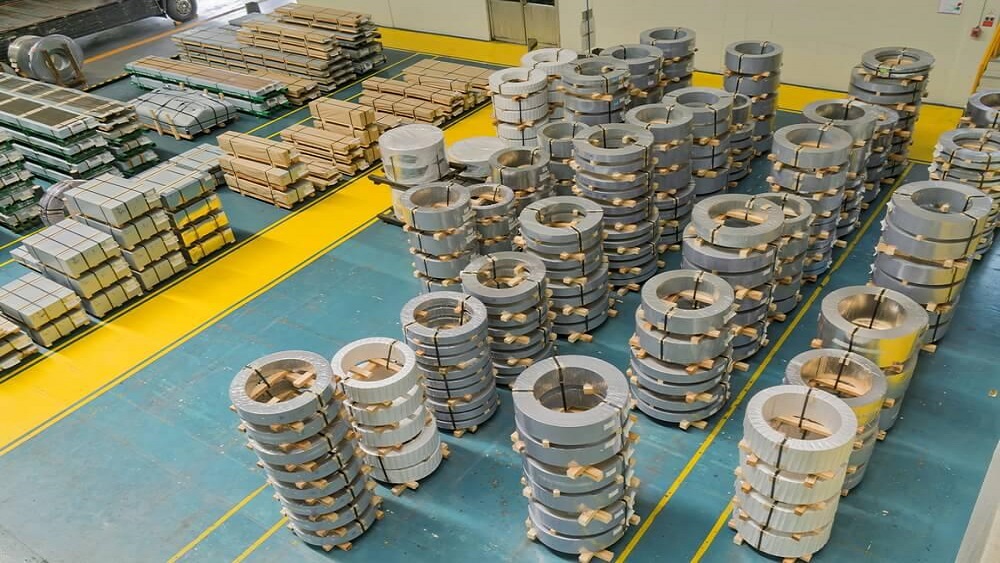
Precision stainless steel delivers the tight dimensional control, consistent mechanical properties, and superior surface quality that modern high-volume and high-reliability manufacturing demands. Unlike standard commercial cold-rolled products, precision materials are engineered through specialized rerolling, annealing, and finishing processes that hold thickness, width, flatness, and hardness within narrow windows across the entire coil or strip.
Industries ranging from automotive and electronics to medical devices and precision springs rely on precision stainless steel strip, precision stainless steel coil, and precision cold rolled stainless steel to achieve repeatable forming results and long-term performance. Working with a capable stainless steel precision manufacturer or sourcing China precision stainless steel and high precision strip allows engineers to specify exact tempers, finishes, and tolerances that match tooling and end-use requirements. This article examines what makes these materials different, how they are produced, where they are used, and how to select the right supplier and specification.

What Defines Precision Stainless Steel
Precision stainless steel is distinguished primarily by the degree of process control applied after the initial cold reduction. Standard cold-rolled coils meet industry thickness tolerances that are adequate for general fabrication. Precision products are further rerolled on specialized multi-high or cluster mills, often with closed-loop gauge control, to achieve tolerances that can be half of commercial standards or tighter. Thickness consistency is maintained not only at the centerline but across the full width and length of the coil.
In addition to gauge control, precision material typically offers improved flatness through tension leveling or temper rolling, controlled camber, and carefully managed residual stress. Surface finishes range from bright annealed and ultra-smooth BA variants to matte or controlled-roughness surfaces tailored for specific friction or coating requirements. Mechanical properties are likewise controlled: hardness, yield strength, and tensile strength can be held within tight bands so that springback, formability, and final part strength remain predictable from coil to coil.
Grades commonly supplied in precision form include 301 (especially for spring applications), 304, 316L, 430, 201, and various precipitation-hardening or specialty alloys. Thicknesses frequently range from ultra-thin foil gauges below 0.05 mm up to several millimeters, with widths from a few millimeters for slit strip to over a meter for wider coil.
Production Process for Precision Materials
The journey to precision cold rolled stainless steel begins with carefully selected hot-rolled or intermediate cold-rolled feedstock of controlled chemistry. Multiple cold-reduction passes on precision mills progressively reduce thickness while work-hardening the material. Intermediate annealing in controlled atmospheres restores ductility when required and protects the surface from oxidation.
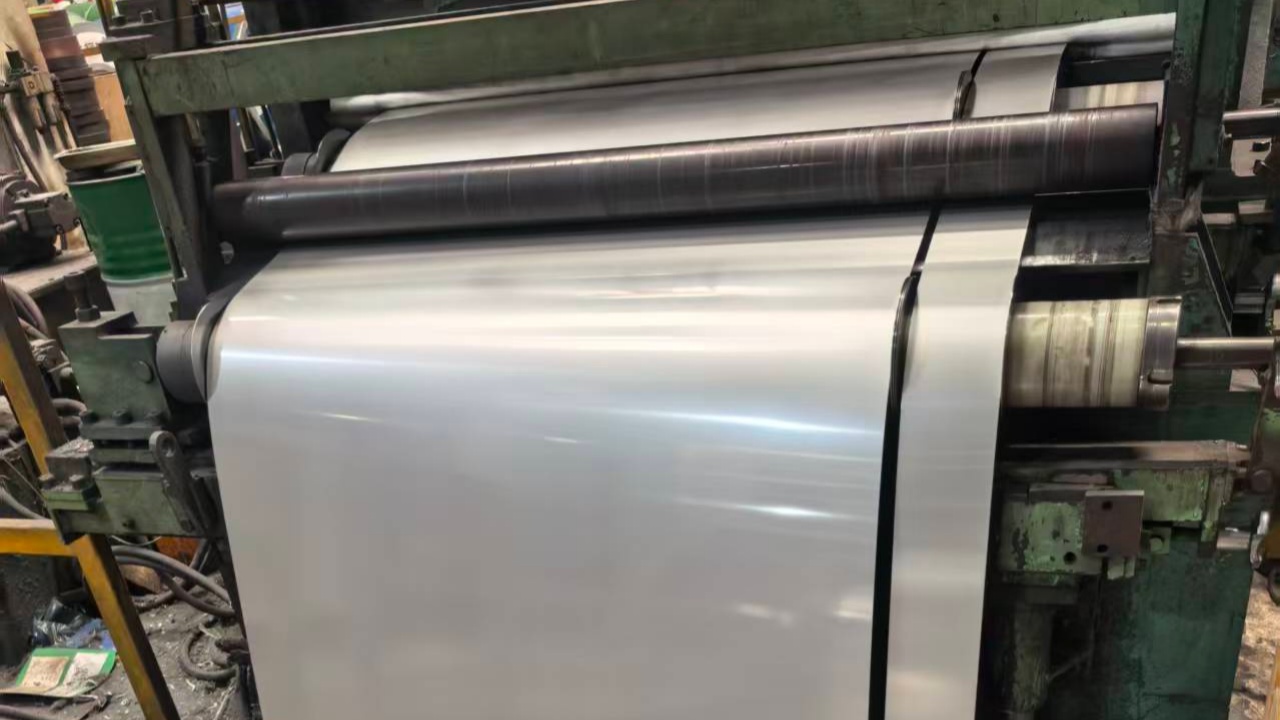
Final precision rolling achieves the target gauge and mechanical properties. Bright annealing or specialized heat treatment may follow to produce the desired finish and temper. Tension leveling or stretch-bend leveling removes shape defects and residual stresses, producing the flat, stable strip essential for high-speed stamping or continuous forming. Precision slitting then converts wide coil into the exact widths needed, with edge quality controlled to minimize burrs or work-hardened edges that could affect downstream processing.
Throughout the process, in-line and offline measurement systems monitor thickness, width, flatness, and surface condition. Mill test certificates document chemistry, mechanical properties, and dimensional results, often with statistical data showing process capability.

Key Advantages in Industrial Use
The primary benefit of precision stainless steel strip and coil is process reliability. When thickness varies only a few micrometers across a coil, press settings remain stable, scrap rates drop, and part dimensions stay within tolerance without constant adjustment. Consistent hardness and yield strength reduce variation in springback and forming force, which is especially critical for progressive dies and multi-stage deep drawing.
Surface quality is another major advantage. Uniform finishes improve coating adhesion, reduce the risk of cosmetic defects on visible parts, and support hygienic or low-friction requirements in medical and food-contact applications. Tight width tolerances and controlled edge condition simplify nesting and reduce material waste in high-volume stamping.
For spring and high-strength applications, high precision strip can be supplied in tempers ranging from annealed to full hard or custom high-yield conditions, delivering the combination of strength and ductility needed for long fatigue life.
Comparison Table: Precision vs Standard Cold-Rolled Stainless Steel
|
Feature |
Precision Stainless Steel |
Standard Cold-Rolled Stainless Steel |
Practical Benefit of Precision |
| Thickness Tolerance | Often ±0.005–0.015 mm or tighter (half commercial) | Typical commercial (e.g., ±0.03–0.05 mm or more) | Stable press performance, less scrap |
| Flatness / Shape Control | Tension or stretch-bend leveled, low residual stress | Basic skin-pass or light leveling | Better forming consistency, reduced distortion |
| Mechanical Property Control | Tight bands on hardness, yield, tensile | Broader commercial ranges | Predictable springback and strength |
| Surface Consistency | Controlled BA, ultra-smooth, or specified roughness | Standard 2B / BA with more variation | Improved cosmetics and coating results |
| Width & Edge Quality | Precision slit, minimal burr, tight width tolerance | Standard slitting | Higher material utilization, fewer edge defects |
| Typical Applications | Springs, electronics, medical, precision stampings | General fabrication, appliances, structural | Enables tighter part tolerances and higher reliability |
| Cost | Higher | Lower | Justified by reduced downstream costs and scrap |
This comparison shows why many manufacturers migrate critical components to precision material even when standard coil appears cheaper on a per-kilogram basis.
Major Industrial Applications

In the automotive sector, precision stainless steel coil and strip are used for seating components, transmission parts, sensor housings, fuel-system elements, and decorative trim that must meet strict dimensional and surface standards. Electronics manufacturers rely on ultra-thin precision stainless steel strip for connectors, shields, springs, and battery components where gauge control and surface cleanliness are essential.
Medical device producers specify precision material for surgical instruments, implantable-device components, and diagnostic equipment that demand both corrosion resistance and tight tolerances. Spring makers use high-strength tempers of 301 and related grades in high precision strip form to produce consistent, long-life springs. Other applications include precision bearings, flexible couplings, heat-exchanger fins, and specialized industrial tooling.
Sourcing Precision Materials
Selecting a capable stainless steel precision manufacturer requires evaluating rolling equipment, process control systems, testing laboratories, and quality certifications. Look for producers that routinely achieve the tolerance and property windows your application requires and that can demonstrate statistical process control data. Many buyers source China precision stainless steel successfully when the manufacturer specializes in precision strip and maintains rigorous quality systems aligned with international standards.
Request samples or small trial coils and test them under actual production conditions. Verify that mill test certificates include the dimensional and mechanical data needed for your quality system. Discuss edge condition, surface protection, packaging, and coil configuration early, as these details affect handling and performance on high-speed lines.
Specification Tips for Buyers
When ordering precision stainless steel strip or coil, clearly state the grade, target thickness and tolerance, width and tolerance, temper or mechanical property range, surface finish, edge condition, and any flatness or camber limits. Reference applicable standards (ASTM, EN, JIS) and, where necessary, add tighter internal requirements. For critical applications, specify the measurement method and acceptance criteria for thickness and hardness.
Consider the entire supply chain: protective films, interleaving, coil weight, and packaging must protect the precision surface and dimensions during transport and storage. Long-term agreements with a reliable supplier often yield better consistency and priority during tight market conditions.
Challenges and Best Practices
Precision materials cost more than commercial coil and may have longer lead times or higher minimum quantities. Over-specifying tolerances beyond what the application truly needs increases cost without benefit. Collaborate with the manufacturer early to balance performance requirements against commercial realities.
Proper handling is essential. Precision surfaces and thin gauges are more susceptible to damage from improper uncoiling, scratching, or contamination. Train operators and maintain clean, well-adjusted processing equipment.
Precision stainless steel has become indispensable for industries that cannot tolerate dimensional or property variation. Whether supplied as precision stainless steel strip, precision stainless steel coil, or precision cold rolled stainless steel from a specialized stainless steel precision manufacturer, and whether sourced as China precision stainless steel or from other global producers, these materials enable higher part quality, lower scrap, and more reliable manufacturing processes. By understanding the differences from standard products, specifying clearly, and partnering with capable suppliers of high precision strip, manufacturers can fully leverage the performance advantages that precision stainless steel offers.
Frequently Asked Questions (FAQs)
1. What is the main difference between precision stainless steel and standard cold-rolled stainless steel?
Precision material is produced with significantly tighter control of thickness, flatness, mechanical properties, and surface consistency, often achieving tolerances half of commercial standards or better.
2. What thicknesses are available in precision stainless steel strip?
Precision strip is commonly available from ultra-thin gauges below 0.05 mm up to several millimeters, depending on the manufacturer and grade.
3. Which grades are most often supplied as precision cold rolled stainless steel?
Common grades include 301 (especially for springs), 304/304L, 316/316L, 430, 201, and various specialty or precipitation-hardening alloys.
4. Why is thickness tolerance so important for precision stainless steel coil?
Tight thickness control ensures consistent forming behavior, reduces scrap, and allows stable operation of high-speed stamping and progressive dies.
5. Can I source high precision strip from a stainless steel precision manufacturer in China?
Yes. China has a well-developed precision strip industry with manufacturers capable of producing high-quality China precision stainless steel to international standards and tight tolerances.
6. What surface finishes are typical for precision stainless steel strip?
Bright annealed (BA), ultra-smooth BA variants, 2B, controlled matte, and other specialized finishes are commonly available to meet cosmetic, friction, or coating requirements.
7. How should I specify mechanical properties for precision material?
Define the required temper or target ranges for yield strength, tensile strength, elongation, and hardness, and confirm that the supplier can hold those properties consistently.
8. Is precision stainless steel more expensive than standard coil?
Yes, because of the additional processing and tighter controls. The higher material cost is often offset by lower scrap rates, reduced machine adjustments, and improved part quality.
9. What edge conditions are available on precision strip?
Precision slit edges with minimal burr, deburred edges, and sometimes rounded edges can be supplied depending on the application and manufacturer capability.
10. What documentation should accompany precision stainless steel coil or strip?
Comprehensive mill test certificates showing chemistry, mechanical properties, dimensional results, and heat/lot traceability are essential for quality assurance and process control.
Precision stainless steel materials continue to enable advances in manufacturing efficiency and product reliability across demanding industrial sectors. By selecting the appropriate form—whether precision stainless steel strip, precision stainless steel coil, or specialized high precision strip—and partnering with a qualified stainless steel precision manufacturer, companies can achieve the consistency and performance their applications require.
CONTACT TO GET MORE USEFUL INFORMATION
Post time: Sep-11-2026