LET'S CHECK THE LATEST NEWS AND QUOTATION
What Is Stainless Steel Strip?
Stainless steel strip is a versatile material essential in countless industries, offering exceptional corrosion resistance, strength, and precision in thin formats.
From automotive components to electronics and medical devices, stainless steel strip plays a critical role in modern manufacturing. Professionals searching for precision stainless steel strip, cold rolled stainless steel strip, or reliable partners often explore options from a trusted stainless steel strip supplier or stainless strip manufacturer. Many turn to efficient production hubs like those offering stainless strip China solutions, including slit stainless steel strip for custom widths.

Understanding Stainless Steel Strip Basics
Stainless steel strip refers to flat-rolled stainless steel products that are narrower and thinner compared to sheets or coils in broader formats. These strips are typically produced in thicknesses ranging from ultra-thin foils under 0.1mm up to several millimeters, with widths that can be precisely controlled through slitting processes. The material retains all the core benefits of stainless steel alloys while providing enhanced formability for intricate applications.
Its popularity stems from the ability to be custom-slit, edge-conditioned, and finished to meet exacting specifications. Whether you need precision stainless steel strip for high-tolerance parts or standard cold rolled stainless steel strip for general fabrication, the manufacturing journey ensures consistent quality.
The Manufacturing Process of Stainless Steel Strip
The production of high-quality stainless steel strip begins with raw material selection and melting. Scrap steel and alloying elements like chromium, nickel, and molybdenum are charged into electric arc furnaces. This step melts everything into a homogeneous liquid at extremely high temperatures.
Next comes refining through argon oxygen decarburization (AOD) or vacuum oxygen decarburization (VOD). These processes reduce carbon content and remove impurities, allowing producers to achieve specific grades such as 304, 316L, 301, or 430. Precise chemistry control here is vital because even small variations affect corrosion resistance and mechanical properties in the final stainless steel strip.
After refining, the molten steel is continuously cast into slabs or billets. These are then reheated and hot rolled into coils of thicker material. Hot rolling shapes the steel while it's still malleable, but for cold rolled stainless steel strip, further processing is essential. The hot-rolled coils undergo annealing to relieve stresses, followed by pickling to remove scale.
Cold rolling is where the magic for precision happens. Multiple passes through rolling mills under high pressure reduce thickness significantly while improving surface finish and increasing strength through work hardening. Intermediate annealing may be required for further reduction without cracking. This stage is crucial for creating precision stainless steel strip with tight thickness tolerances, often down to ±0.001mm or better in advanced facilities.
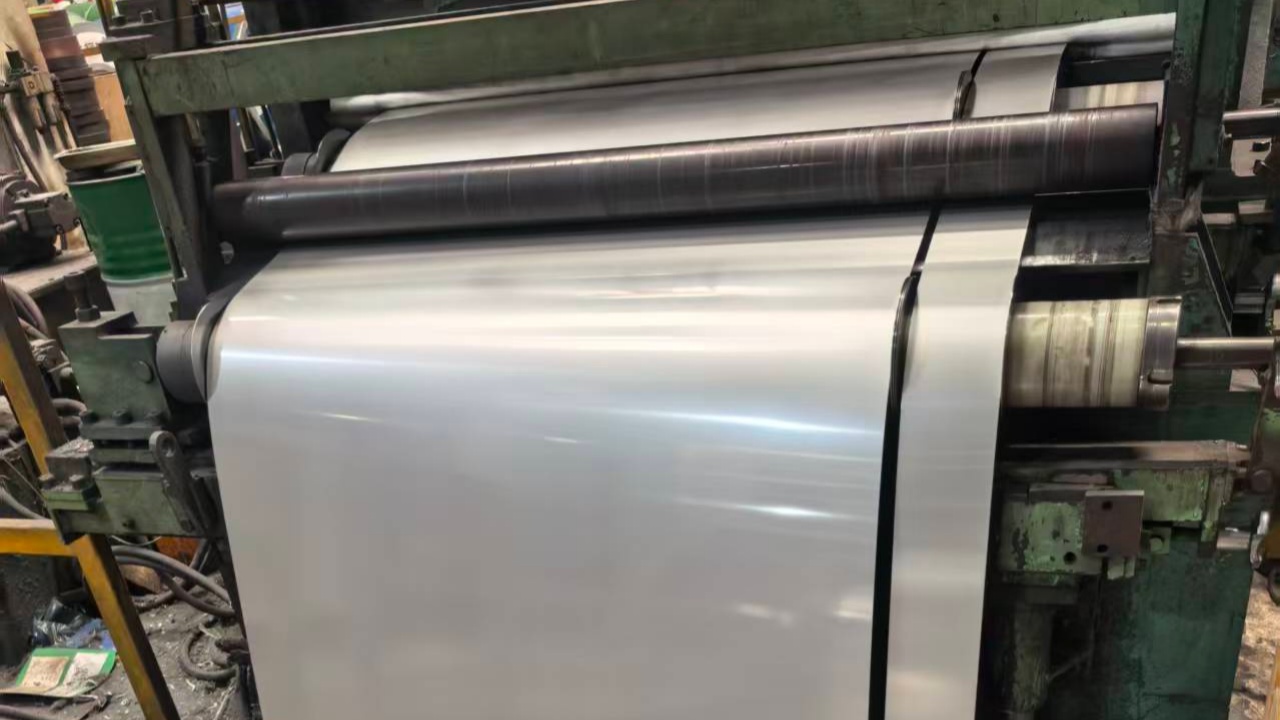
Slitting follows to convert wide coils into narrower slit stainless steel strip. High-precision slitters with sharp rotary knives cut the material to exact widths while maintaining edge quality. Edge conditioning options like deburring or rounding ensure safety and performance in downstream applications. Many stainless strip manufacturer operations in China have invested heavily in automated slitting lines for efficiency and consistency.
Final steps include bright annealing for reflective surfaces, tension leveling for flatness, and various surface treatments. Quality control involves rigorous testing for dimensions, mechanical properties, surface defects, and composition throughout the process.
Key Properties of Stainless Steel Strip
Stainless steel strip excels due to its austenitic, ferritic, or martensitic structures depending on the grade. Austenitic types like 304 and 316L offer non-magnetic behavior (in annealed state), excellent weldability, and superior corrosion resistance thanks to the chromium oxide passive layer.
Mechanical properties vary widely. High-yield grades provide spring-like temper for elastic applications, while annealed versions maximize ductility for deep drawing. Cold rolled stainless steel strip typically shows higher tensile strength compared to hot-rolled equivalents.
Surface finishes range from dull 2B to bright annealed (BA) or polished. These affect not only aesthetics but also cleanability and friction characteristics in use.

Diverse Applications Across Industries
The uses for stainless steel strip are incredibly broad. In the automotive sector, it forms exhaust gaskets, fuel injector parts, and decorative trim. Its heat and corrosion resistance make it ideal for under-hood environments.
Electronics and electrical industries rely on precision stainless steel strip for battery contacts, shielding, and connector springs. The material's conductivity when plated, combined with durability, supports miniaturization trends.
Medical devices use stainless steel strip for surgical instruments, implants, and diagnostic equipment components. Biocompatibility and sterilizability are key advantages.
In construction and architecture, slit stainless steel strip appears in cladding fixings, expansion joints, and HVAC components. Food processing equipment benefits from its hygiene properties for conveyor belts and stamping parts.
Consumer goods like zippers, springs in furniture, and kitchen tools also incorporate this material. Stainless strip China production has enabled cost-effective supply for global appliance manufacturers.
Comparison Table: Stainless Steel Strip vs Other Forms
| Aspect | Stainless Steel Strip | Stainless Steel Sheet | Stainless Steel Wire |
| Typical Thickness | 0.01mm - 3mm | 0.5mm - 6mm+ | Diameter 0.1mm - 10mm+ |
| Width Control | Precision slitting, narrow options | Standard sheet sizes | N/A (linear) |
| Formability | Excellent for stamping & forming | Good for bending | For coiling & weaving |
| Primary Applications | Springs, gaskets, electronics | Tanks, panels, architecture | Fasteners, mesh, welding |
| Production Cost (per kg) | Higher for ultra-precision | Moderate | Varies by diameter |
| Corrosion Resistance | Same as base grade | Same | Same, but surface area differs |
| Common Grades | 301, 304, 316L, 430 | 304, 316 | 302, 304 |
This comparison shows why stainless steel strip is preferred when narrow widths and tight tolerances matter most.
Choosing the Right Stainless Steel Strip Supplier
Selecting a dependable stainless steel strip supplier or stainless strip manufacturer involves evaluating several factors. Look for facilities with ISO certifications, advanced metrology equipment, and experience in your specific alloy and temper requirements.
Stainless strip China manufacturers often provide competitive advantages through scale, vertical integration, and rapid customization. They can handle everything from small prototype orders to large production runs of slit stainless steel strip. Always request samples, mill test certificates, and references for critical projects.
Consider supply chain reliability, lead times, and technical support. A good partner helps optimize material selection to balance performance and cost.

Advantages and Considerations
Precision stainless steel strip delivers tight tolerances that reduce machining needs and waste. Its high strength-to-weight ratio supports lightweight designs. Recyclability adds environmental appeal.
However, challenges include potential work hardening during forming, which may require annealing, and sensitivity to certain aggressive chemicals depending on the grade. Proper storage prevents moisture-related issues on finished surfaces.
Detailed Case Studies and Best Practices
In the aerospace industry, cold rolled stainless steel strip is used for shims and spacers where precision is non-negotiable. One manufacturer reported reduced assembly time after switching to tighter tolerance strips from a specialized supplier.
Electronics assembly lines use slit stainless steel strip for EMI shielding. The uniform edges and consistent thickness ensure reliable performance in high-volume production.
Fabrication tips include using sharp tooling for stamping, controlling springback in bending, and selecting appropriate lubricants for forming operations.
Stainless steel strip continues to be indispensable due to its adaptability and performance. Whether sourcing precision stainless steel strip, cold rolled stainless steel strip, or working with a stainless steel strip supplier and stainless strip manufacturer specializing in stainless strip China options, understanding the full picture leads to better outcomes. Slit stainless steel strip exemplifies how precision engineering meets everyday and high-tech needs alike.
Frequently Asked Questions (FAQs)
- What is the difference between stainless steel strip and coil?
Strip usually refers to narrower widths after slitting, while coils are broader. Stainless steel strip is often processed further for specific tolerances. - How thin can precision stainless steel strip be produced? Advanced mills can produce down to 0.01mm or thinner foils while maintaining quality.
- What grades are most common for cold rolled stainless steel strip?
304/304L, 316/316L, 301, and 430 are popular, depending on corrosion and strength needs. - Why choose a stainless strip manufacturer in China?
They offer scale, competitive pricing, modern equipment, and experience exporting worldwide. - What is slitting in stainless steel strip production?
The process of cutting wide coils into narrower slit stainless steel strip with precise width control. - How do I ensure quality when buying from a stainless steel strip supplier?
Demand detailed certifications, perform incoming inspections, and build relationships with reputable producers. - Can stainless steel strip be welded?
Yes, most grades weld well, though care with heat input prevents distortion in thin materials. - What applications suit precision stainless steel strip best?
Springs, medical components, electronics, and automotive parts requiring tight tolerances. - How does cold rolling affect stainless steel strip properties?
It increases strength and improves finish but may reduce ductility unless annealed. - What packaging protects stainless steel strip during shipping?
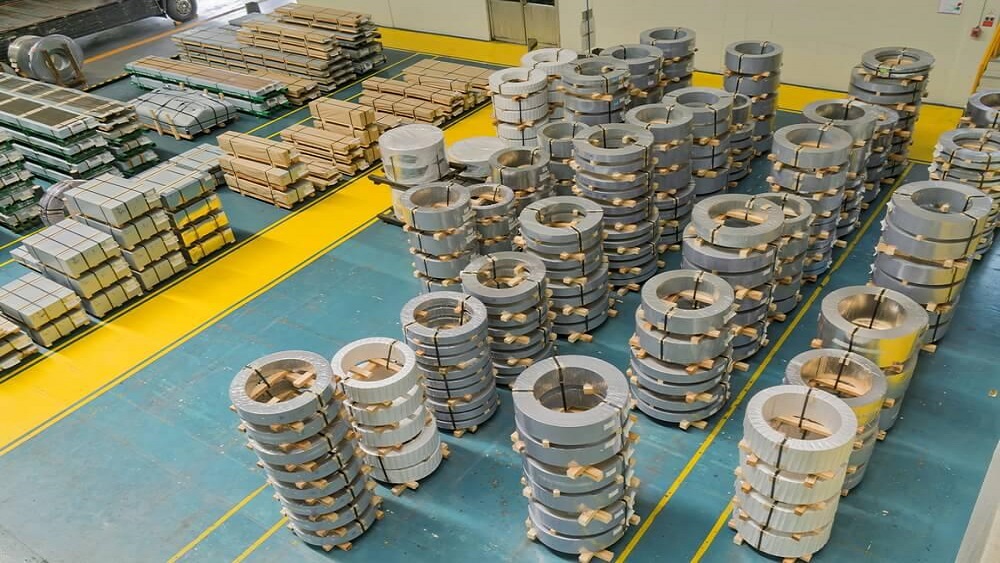
Interleaved paper, rust-preventive oils, wooden crates, and secure strapping.
READY TO GET A QUOTE
Post time: Jul-17-2026