
Technical Indicators
-
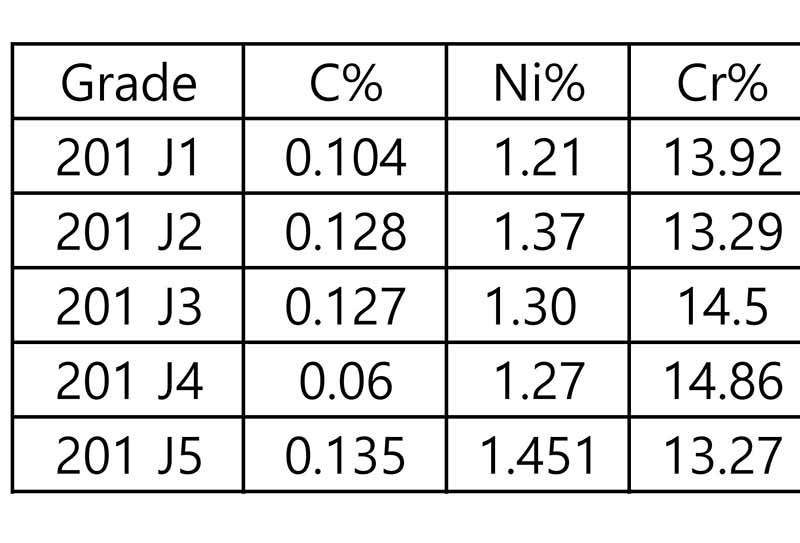
What is the difference between 201 J1, 201 J2, 201 J3, 201 J4, 201 J5?
In the realm of stainless steel, the 201 grade might appear homogenous at first glance, but did your supplier ever explain the differences between the 201 J1, 201 J2, 201 J3, 201 J4, and 201 J5 variants to you? These classifications are well known among industry insiders in the stainless steel ma...Read more -
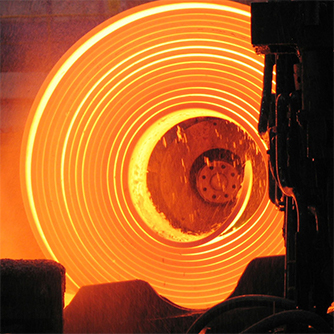
Analysis of Inconel 718 Nickel Alloy: Composition, Mechanical Properties, and Applications
Inconel 718 nickel-based alloy, known for its exceptional mechanical properties and corrosion resistance, has found widespread applications in various extreme environments. This article will explore in detail the elemental content, application areas, and advantages of 718 nickel-based alloy. Ele...Read more -
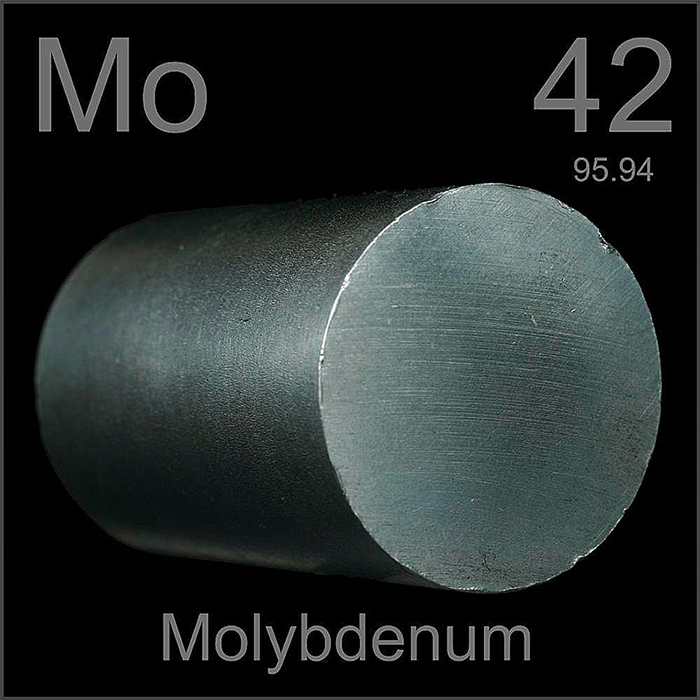
Understanding the Impact of Molybdenum in Stainless Steel
Molybdenum, a transition metal, exhibits versatile oxidation states, primarily fluctuating between +6 and +5 during electron transfer in redox reactions. This element is vital not just biologically but also in metallurgy, especially in steel and alloy production. Molybdenum and ferromolybdenum se...Read more -
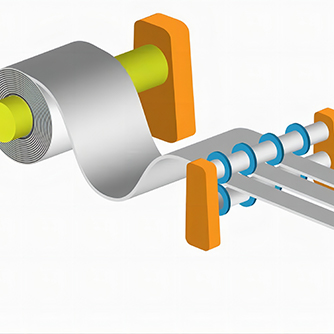
What is Stainless Steel Slit Coils: Types, Applications, and Selection
Welcome to our exploration of stainless steel slit coil, a crucial component in diverse industrial applications. This specialized product, known for its versatility and durability, plays a key role in various manufacturing processes. Understanding stainless steel slit coil is essential for in...Read more -
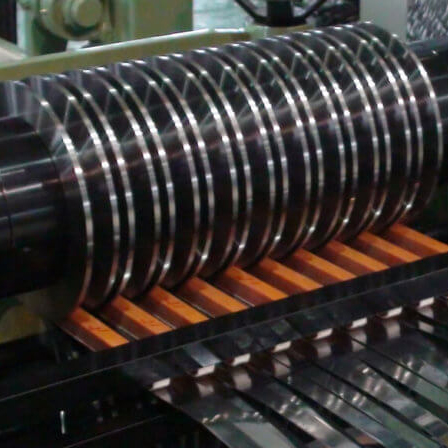
What Is 347 Stainless Steel: Composition, Applications, and Benefits
347 stainless steel is a high-temperature stable and corrosion-resistant steel, known for its excellent corrosion resistance and good mechanical properties. It is used in manufacturing equipment and components in chemical, petroleum, medical, and food industries. This article will introduce the e...Read more -
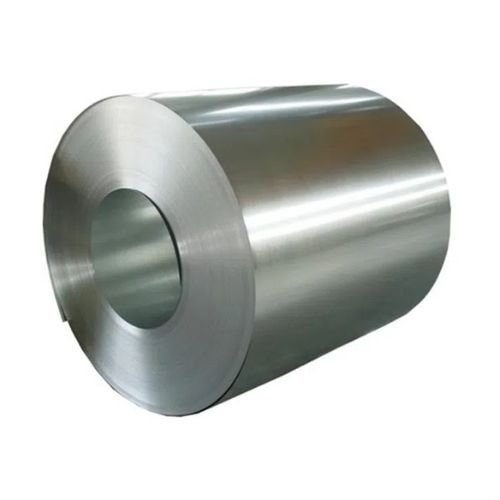
Overview of 410 Stainless Steel: Properties and Applications
410 stainless steel is a common ferritic stainless steel, primarily composed of iron, carbon, chromium, and a small amount of other elements such as manganese, silicon, molybdenum, etc. The elemental composition is as follows 410 Stainless Steel Elemental Composition Iron (Fe): Balance Carbon ...Read more -
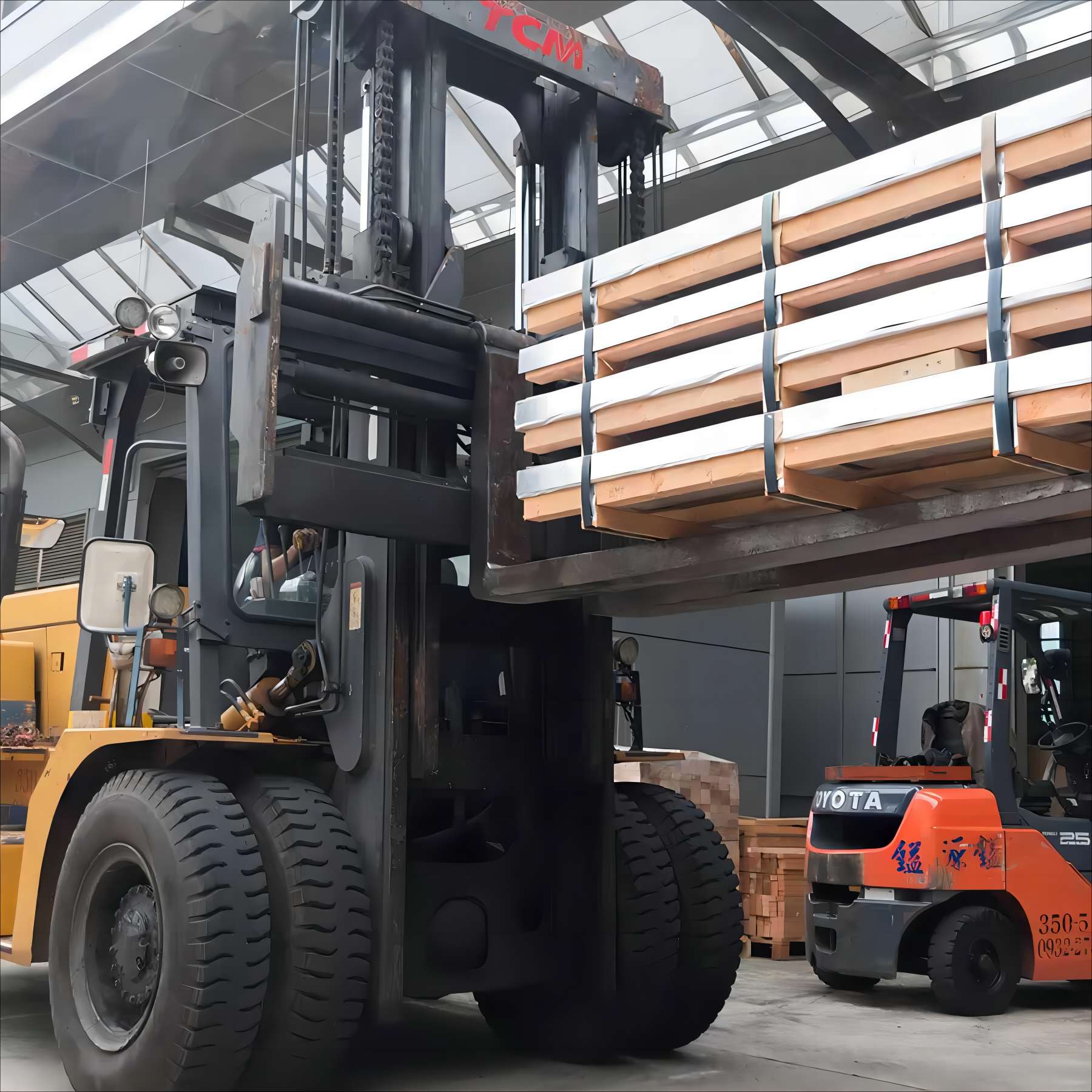
Analyzing the Applications and Benefits of 437 Stainless Steel
437 stainless steel is a highly corrosion-resistant material, whose strength and durability make it an ideal choice for various industrial applications. 437 stainless steel is a special type of stainless steel, whose elemental content and advantages make it widely used in many fields. This articl...Read more -
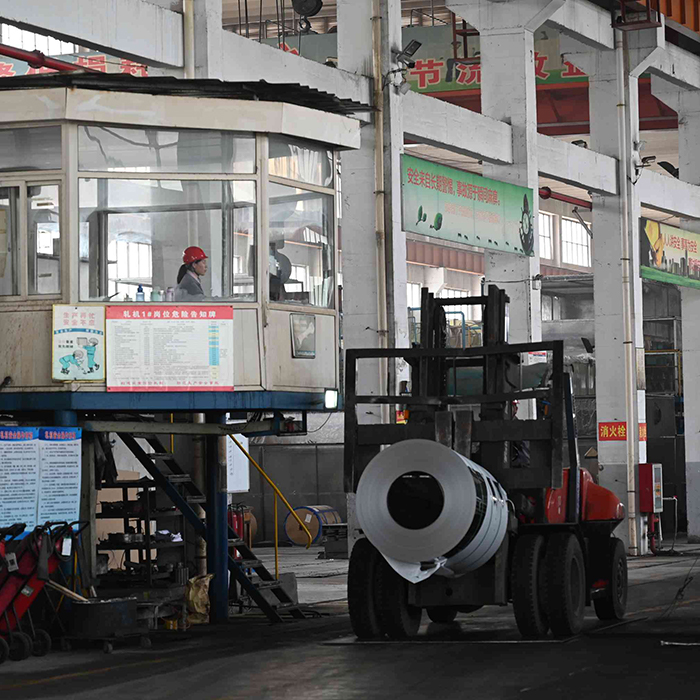
Comprehensive Insights on 439 Stainless Steel: Composition, Applications, and Advantages
Stainless steel is an indispensable material in modern industry and everyday life, and 439 stainless steel is widely recognized for its unique properties and extensive application fields. This article will focus on the analysis of the elemental content, application fields, and advantages of 439 s...Read more -
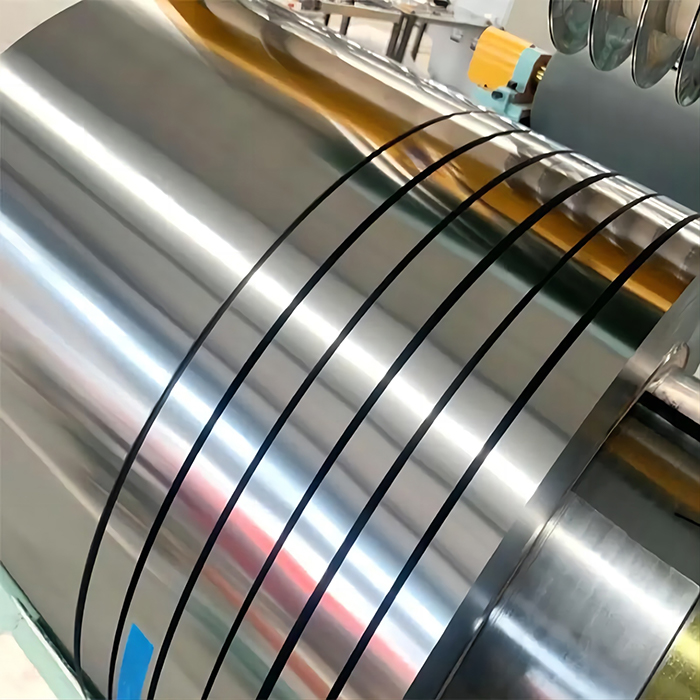
Analysis of 444 Stainless Steel Composition, Applications, and Advantages
444 Stainless Steel Elemental Composition 444 stainless steel is a low-carbon austenitic stainless steel, typically composed of the following elements: Chromium (Cr): Approximately 23.5% to 27%. Chromium is the primary alloying element in stainless steel, providing corrosion resistance. Nickel (...Read more -
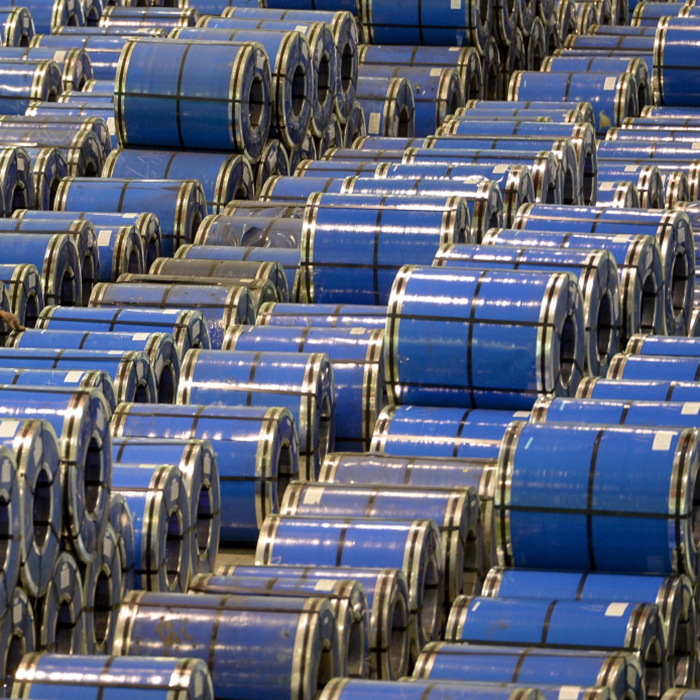
What Is 441 Stainless Steel? Composition, Applications, and Advantages
441 stainless steel, a material intricately woven into our daily lives, is a rather unique variant of stainless steel. Comprising various elements including iron, chromium, nickel, manganese, and silicon, each element endows it with specific characteristics. In this article, we will delve deep in...Read more


