
Products
-
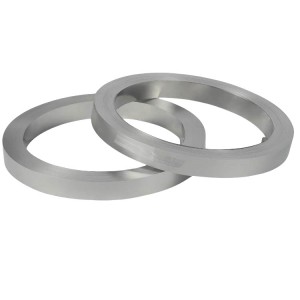
201 Stainless Steel Strip
201 stainless steel strip is a cost-effective alternative to traditional Cr-Ni austenitic stainless steels like 304. It offers moderate ductility and formability, making it suitable for a variety of applications. Known for its excellent welding characteristics and favorable low-temperature properties, 201 stainless steel strip is ideal for manufacturing kitchenware, household appliances, and decorative elements.
-
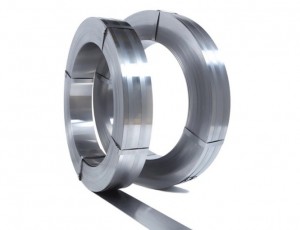
321 Stainless Steel Strip
321 stainless steel, an improved iteration of 304, integrates Titanium to resist severe corrosion. It is ideally suited for applications in temperatures spanning from 430℃ to 900℃.
-
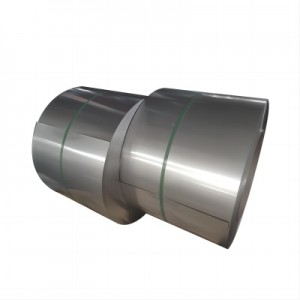
204 Stainless Steel Coil
204 Stainless Steel Coil: SS 204 has 2-4% copper and 0.05-0.25% nitrogen, it is austenitic chromium-magnesium stainless steel.Therefore, with the addition of copper, the alloy has better ductility than 201 and 304. In certain environments, copper improves corrosion and stress corrosion cracking resistance. Between 200 and 300 series stainless 204 bridges the cost-property gap.
-
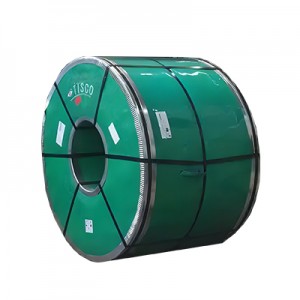
347 Stainless Steel Coil
347 stainless steel is an austenitic chromium alloy stabilized with columbium, designed to prevent carbide precipitation and minimize the risk of intergranular corrosion.
-
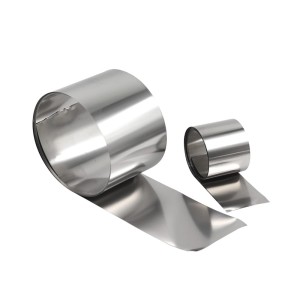
410 Stainless Steel Strip
Grade 410 is a martensitic stainless steel known for its good corrosion resistance, high strength, and hardness. It remains magnetic in both its annealed and hardened states. Various heat treatments can yield a broad range of properties. This alloy is ideal for applications that require moderate corrosion resistance along with high mechanical properties.
-
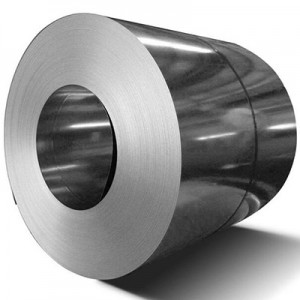
QN1803 Stainless Steel Coil
QN1803 Stainless Steel Coil: High-strength, corrosion-resistant, nitrogen-containing stainless steel, ideal alternative to 304 with enhanced performance and cost-efficiency
-
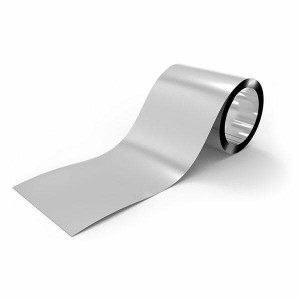
204 Stainless Steel Strip
204 Stainless Steel Strip: SS 204 is an austenitic chromium-manganese stainless steel that contains 2-4% copper and 0.05-0.25% nitrogen. The addition of copper enhances its ductility compared to 201 and 304 stainless steels. In specific environments, copper also improves resistance to corrosion and stress corrosion cracking. SS 204 bridges the cost-property gap between the 200 and 300 series stainless steels, offering a balanced combination of affordability and performance.
-
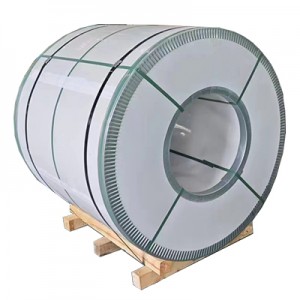
321 Stainless Steel Coil
321 stainless steel, an enhanced version of 304, incorporates Titanium to avert critical corrosion. It is optimally used in environments ranging from 430℃ to 900℃.
-
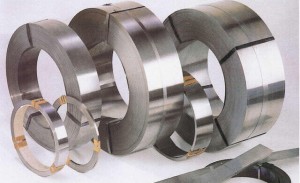
439 Stainless Steel Strip
439 Stainless Steel is an 18% chromium, titanium-stabilized ferritic stainless steel that offers corrosion resistance comparable to 304 stainless steel. This grade combines the advantages of both chromium and titanium, resulting in improved weldability and exceptional resistance to stress corrosion cracking.
-
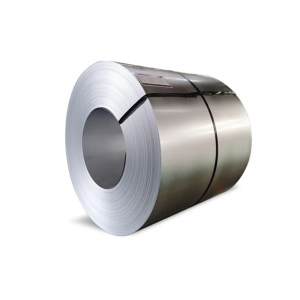
301 Stainless Steel for mixer blade
Stainless steel 301 with a hardness of 390-400 HV is highly suited for use in industrial mixer blades, thanks to its excellent wear resistance, high strength, and reasonable corrosion resistance. In industries such as food processing, pharmaceuticals, chemicals, and paints, these blades are critical for ensuring consistent performance, durability, and cost-efficiency.