LET'S GET MORE INFORMATION
What is BA stainless steel?
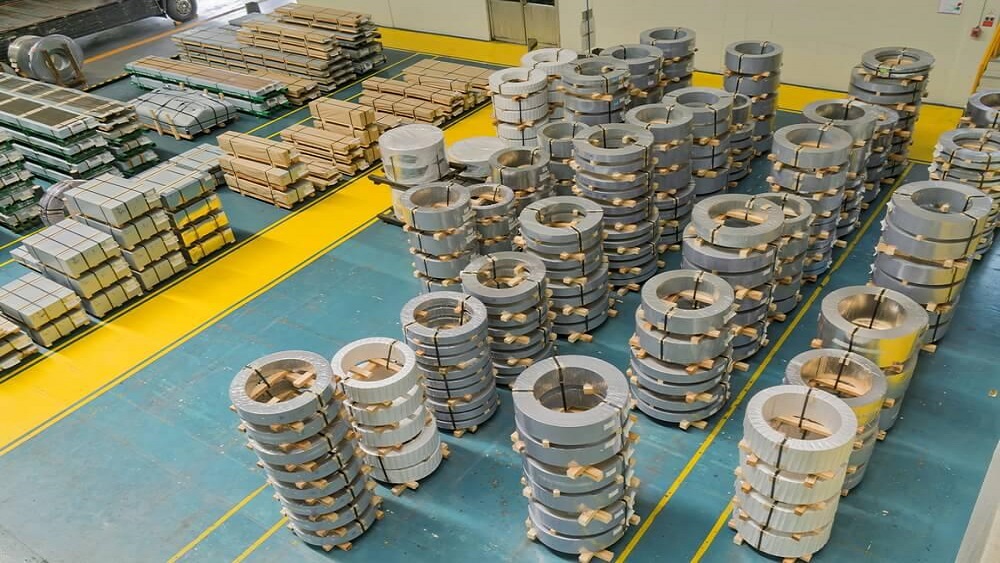
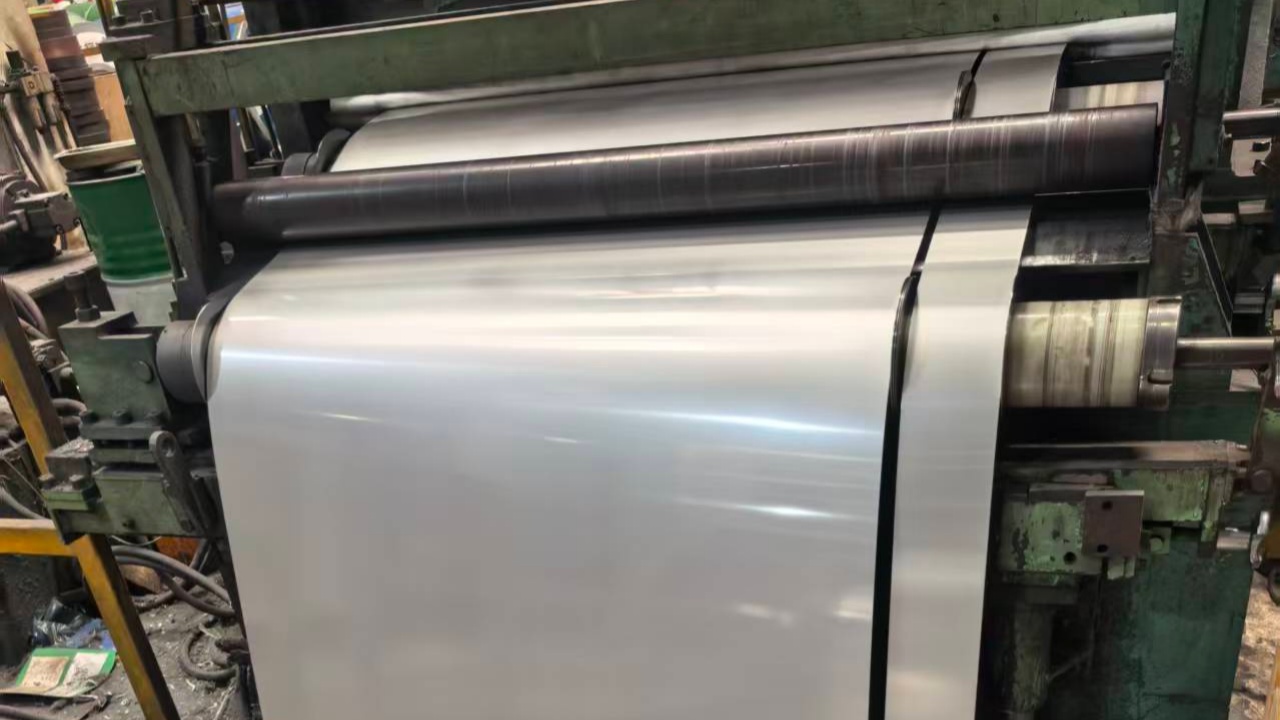
BA stainless steel—or Bright Annealed stainless steel—defines a premium cold-rolled metal finish characterized by its highly reflective, mirror-like surface and superior micro-structural cleanliness achieved through heat treatment in a chemically inert, oxygen-free atmosphere.

The Metallurgy of "Bright Annealing"
In cold rolling mills, when stainless steel is reduced to its target gauge, its crystalline grains are elongated, heavily stressed, and work-hardened. To restore ductility, formability, and corrosion resistance, the metal must undergo a thermal treatment known as annealing.
However, traditional open-atmosphere annealing processes expose the hot steel to oxygen, forming a thick, dark layer of chromium-iron oxide scale. This scale must subsequently be stripped away using aggressive chemical acids in a process called pickling, which leaves behind the matte, dull gray surface known globally as a No. 2B finish.
Bright Annealing (BA) completely re-engineers this thermal lifecycle. Instead of allowing oxide scales to form and then removing them destructively, the BA process prevents oxidation from ever occurring. By passing the cold-rolled coil through a strictly sealed vertical or horizontal furnace filled with a protective, oxygen-free reducing gas, the steel’s internal crystalline matrix recrystallizes while its outer surface retains the ultra-smooth, high-gloss shine imparted by the cold-rolling mills. The result is a highly pristine, mirror-like finish that eliminates the need for post-weld acid pickling or aggressive mechanical buffing.
The Corrosion Resistance Paradox: BA vs. 2B
A frequent point of debate among metallurgical engineers is whether a BA finish offers superior or inferior corrosion resistance compared to a standard No. 2B pickled finish. The answer is nuanced and depends heavily on the condition of the material's Passive Chromium Oxide Layer.
The Passive Layer Thickness Data
All stainless steels rely on a self-healing passive film of chromium oxide (Cr2O3) to prevent rusting.
- The No. 2B Advantage: Because No. 2B undergoes aggressive chemical pickling in nitric and hydrofluoric acid baths, the surface is deeply depleted of free iron, leaving behind a highly enriched, robust chromium-oxide passive layer with a high Chromium-to-Iron (Cr/Fe) ratio.
- The BA Challenge: Because bright annealing does not include an acid pickling step, any iron atoms that migrate to the surface during heating remain there. Consequently, the native Cr/Fe ratio of an unpassivated BA surface can be slightly lower than that of a 2B finish, occasionally making it slightly more susceptible to localized pitting in harsh chemical environments if left untreated.
Remediation via Passivation
To unlock the true maximum corrosion resistance of BA stainless steel, a post-annealing chemical passivation step can be applied (typically via a brief immersion in citric or nitric acid solutions).
When a BA finish—with its ultra-low Ra of 0.08μm—is properly passivated, its corrosion performance can actually exceed that of a No. 2B finish. The lack of surface roughness means aggressive chloride ions (Cl-) cannot accumulate in micro-valleys via capillary action, dramatically extending the time to pitting inception during standard ASTM B117 Salt Spray Testing.
Comprehensive Comparison Matrix
To aid material procurement and engineering specifications, the following detailed matrix compares BA stainless steel against the industry's primary alternative finishes.
| Finishes Metric | No. 1 Finish | No. 2B Finish | BA (Bright Annealed) | No. 4 Finish (Satin) | No. 8 Finish (Mirror) |
| Production Method | Hot Rolled + Annealed + Pickled | Cold Rolled + Annealed + Pickled + Skin Pass | Cold Rolled + Inert Gas Annealing | Mechanical Polishing (150-180 Grit) | Multi-stage Mechanical Buffing |
| Typical Ra Range | 2.5- 5.0μm | 0.1 - 0.5μm | 0.05- 0.15μm | 0.4- 0.8μm | < 0.02μm |
| Visual Appearance | Dull, rough, matte dark gray | Smooth, slightly reflective matte gray | Highly reflective, mirror-like | Linear, brushed directional lines | Perfect mirror, crisp reflections |
| Cleanability Factor | Extremely Poor | Moderate | Excellent | Poor (Traps debris) | Exceptional |
| Primary Use Case | Structural beams, heavy industrial plates | Standard manufacturing, deep drawing | Pharma piping, appliances, trim | Commercial kitchens, elevators | Architectural facades, premium mirrors |
Prime Industrial and Commercial Applications
Thanks to its unique balance of extreme smoothness and cost-effective reflectivity, BA stainless steel is specified across diverse sectors where cleanliness or appearance is non-negotiable.
A. High-Purity Pharmaceutical and Semiconductor Piping
In biotechnology, pharmaceutical manufacturing, and semiconductor cleanrooms, the interior of processing tubes must be completely smooth.
- Biofilm Prevention: Bacteria (ranging from 0.5 to 2.0μm in size) easily colonize rough surfaces by forming sticky biofilms. BA tubing provides an ultra-low Ra environment where fluid velocities can easily flush away loose microbes during Clean-in-Place (CIP) cycles.
- Gas Purity: In semiconductor manufacturing, ultra-pure gases (like silane or arsine) must flow through tubes without picking up particulate contamination. The oxide-free, un-pickled interior of a BA pipe ensures zero particulate flaking.
B. Food, Dairy, and Beverage Processing
Commercial food preparation requires surfaces that can be sanitized repeatedly without degrading.
- Milking Equipment & Wine Vats: BA finishes are widely used inside milk storage tanks and wine fermentation vessels. The lack of microscopic crevice profiles prevents sugars, proteins, and fats from adhering to the container walls, minimizing chemical wash requirements.
C. Consumer Appliances and Commercial Kitchenware
For household items, aesthetics must match functional durability.
- Microwave Interiors & Dishwasher Tubs: The high reflectivity of BA steel helps bounce heat and light uniformly inside appliances, maximizing thermal efficiency while providing an easy-to-wipe surface for consumers.
- Cookware: Premium pots and pans utilize a BA exterior for a high-end luxury aesthetic that withstands direct flame exposure without scaling.
D. Architectural Elements and Automotive Trim
Trim & Accent Mouldings: Bright annealed sheets are a cost-effective alternative to expensive No. 8 mirror-polished sheets for decorative panels, elevator ceilings, and automotive window trim. Because it is highly reflective natively, fabricators save significantly on mechanical polishing labor.
Summary Checklist for Material Procurement
When sourcing BA stainless steel for engineering projects, always verify the following technical parameters with your mill or service center:
- Grade Specification: Ensure the base chemistry matches your operational needs. While Grade 304 BA is ideal for general appliances and commercial trim, Grade 316L BA is required for pharmaceutical and chemical processing due to its 2.0% minimum Molybdenum addition.
- Surface Roughness Verification: Request actual profilometer data. For sanitary or high-vacuum applications, explicitly state: Maximum Ra 0.15 µm (6 µin) per ASTM A480.
- Flatness Tolerance: Because BA steel is highly reflective, even minor waviness (such as coil set or oil-canning) will distort reflections dramatically. Specify tight flatness tolerances if the material will be used for large architectural wall claddings.
- Intergranular Corrosion Certification: Verify that the mill test report confirms the material passed ASTM A262 Practice A or E testing, guaranteeing that the rapid cooling phase in the BA furnace was executed perfectly and the steel is free from sensitization.

Conclusion
BA stainless steel represents a pinnacle of industrial surface engineering. By bypassing the traditional, aggressive "anneal-and-pickle" cycle in favor of advanced thermodynamic reduction inside a closed hydrogen-nitrogen environment, metallurgists have created an alloy finish that is simultaneously visually striking and technically high-performing.
READY TO GET A QUOTE
Post time: May-21-2026