
News
-
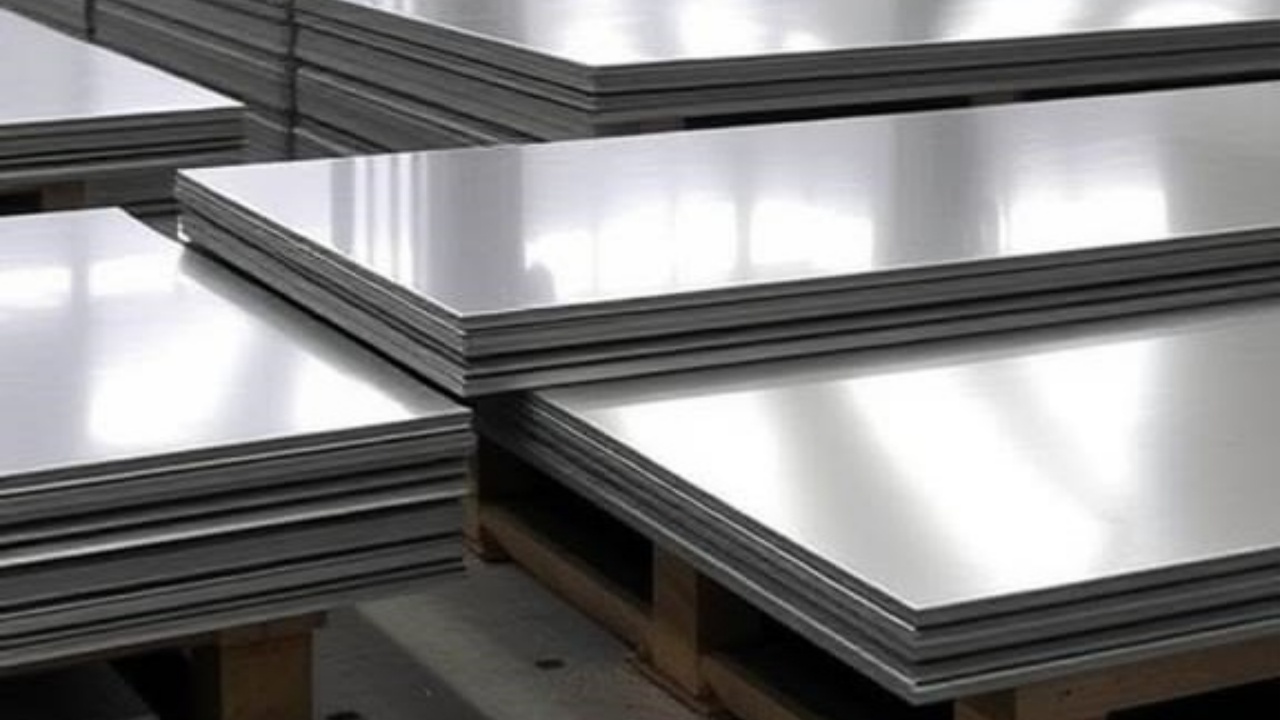
BA vs 2B Stainless Steel Finish: What’s the Difference?
BA and 2B stainless steel If you've ever ordered stainless steel sheets or coils, you've likely come across the terms "2B" and "BA." At first glance, they might look similar—both are shiny, both are cold-rolled finishes. But if you put them side by si...Read more -
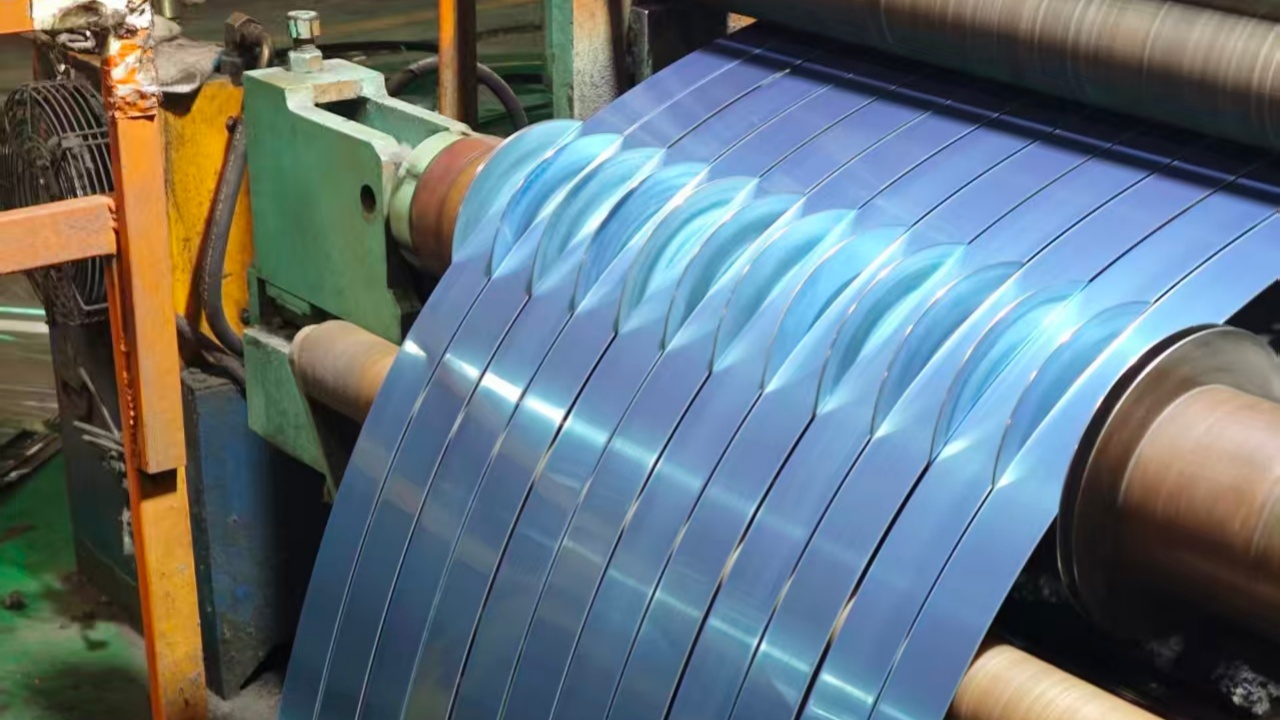
Precision Stainless Steel Strip for Industrial Manufacturing
Precision Stainless Steel Strip In modern industrial manufacturing, the choice of materials directly determines the quality and service life of end products. As a metal material characterized by exceptional dimensional precision and superior performan...Read more -
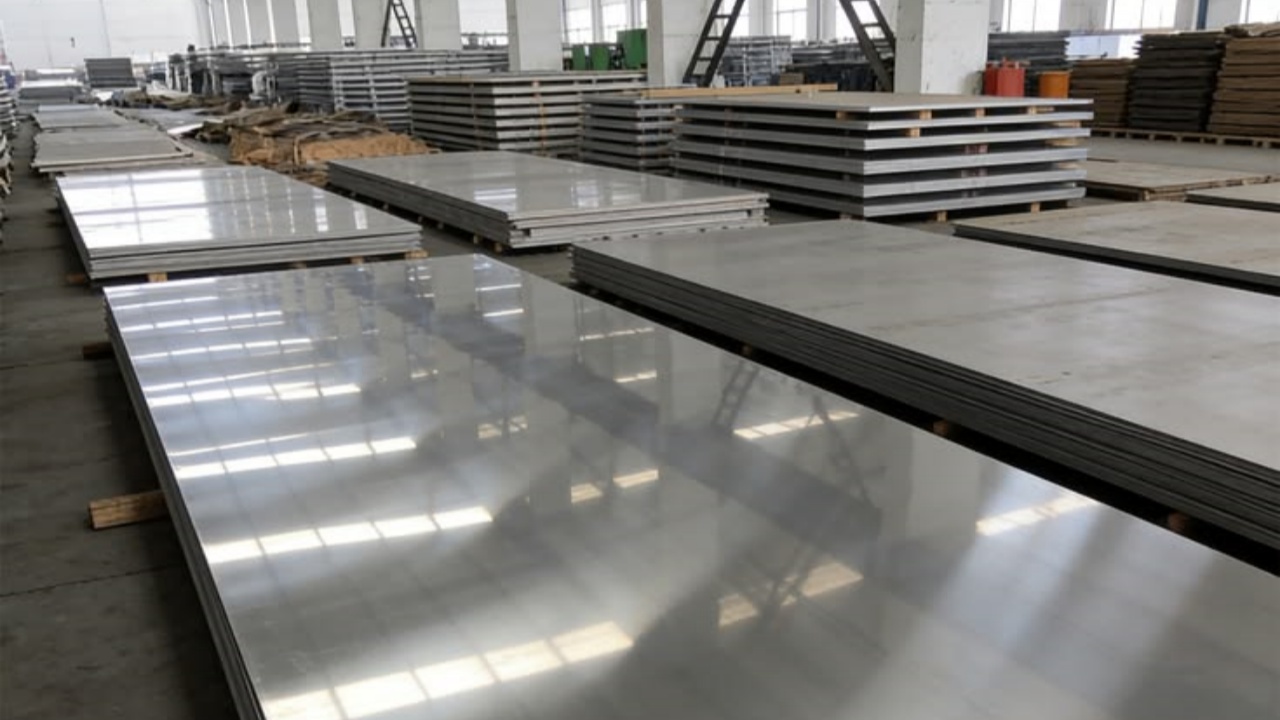
430 Stainless Steel Properties: Advantages and Limitations
430 Stainless Steel When selecting a material for appliance manufacturing, automotive components, or kitchenware, understanding 430 stainless steel properties is essential for making an informed decision. Grade 430 is a widely used ferritic stainless ...Read more -
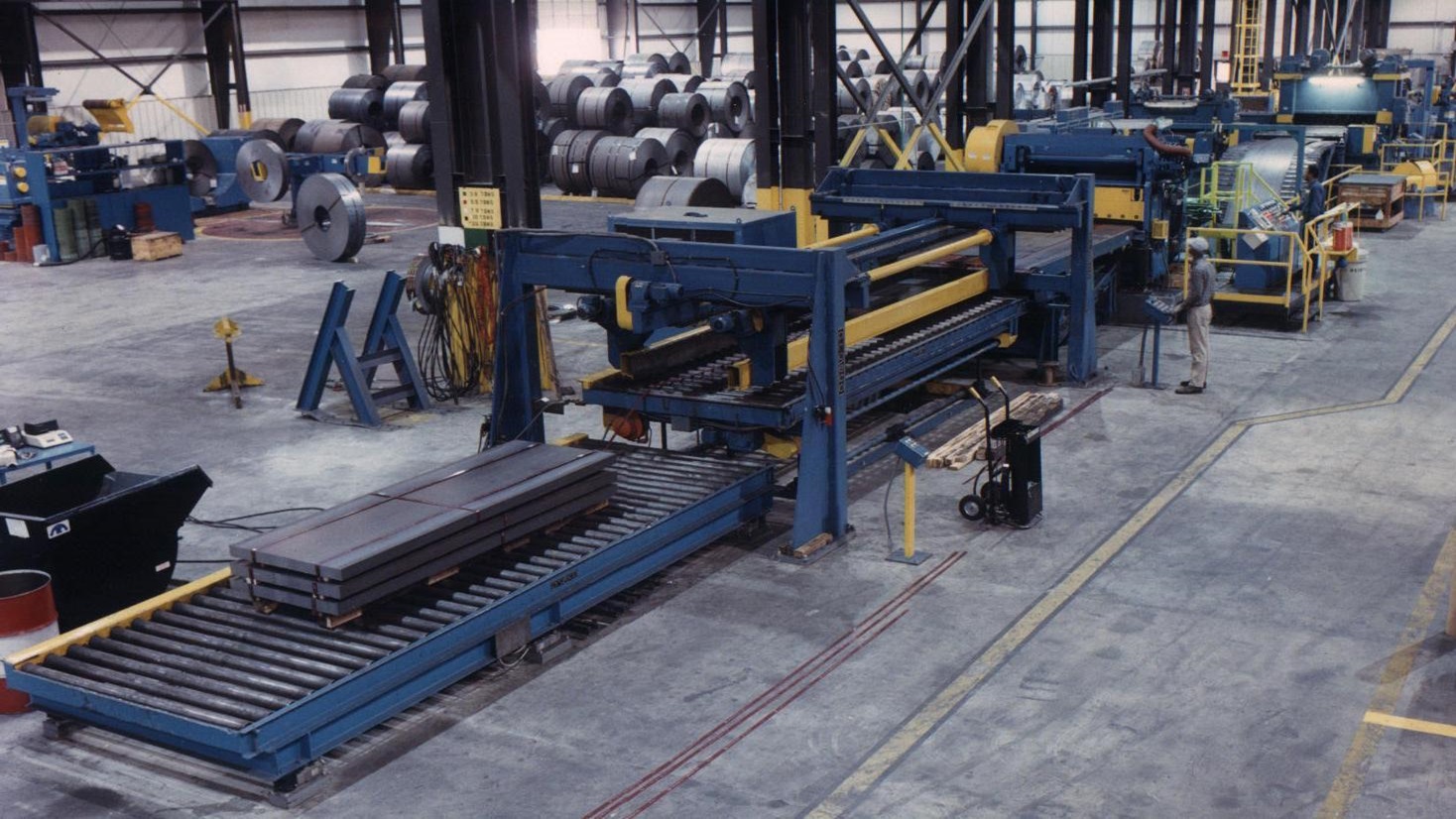
Cut to Length Stainless Steel: Benefits for Manufacturers
Cut to Length Stainless Steel Cut to length stainless steel delivers ready-to-use flat sheets and plates cut precisely to required dimensions from coil, helping manufacturers reduce waste, improve production efficiency, and streamline downstream o...Read more -
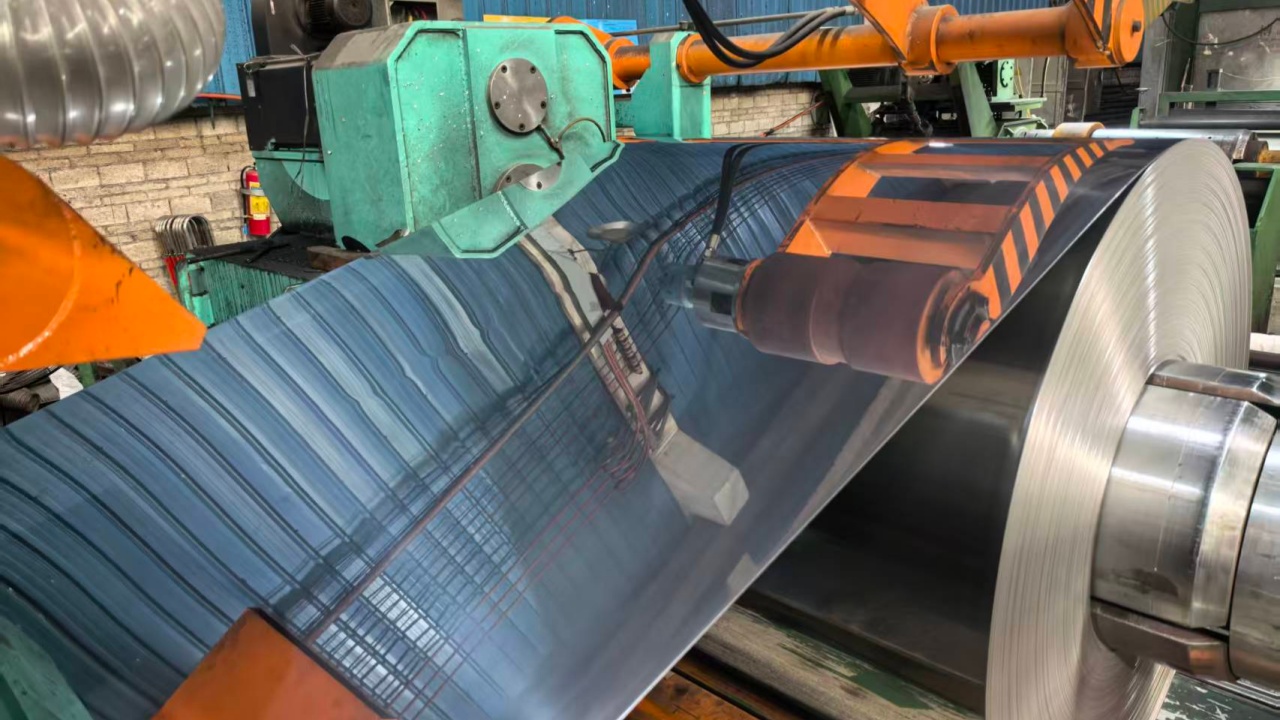
BA Stainless Steel Finish: Process, Features and Applications
BA Stainless Steel When it comes to high-end stainless steel surfaces, BA stainless steel stands out as a premier choice for applications demanding both aesthetic excellence and superior performance. This finish, known for its mirror-like reflectivity...Read more -

2B Stainless Steel Finish Explained
2B Stainless Steel Finish Explained 2B stainless steel is the most widely used cold-rolled mill finish in the stainless steel industry, valued for its smooth surface, balanced reflectivity, strong corrosion resistance, and cost-effectiveness acros...Read more -
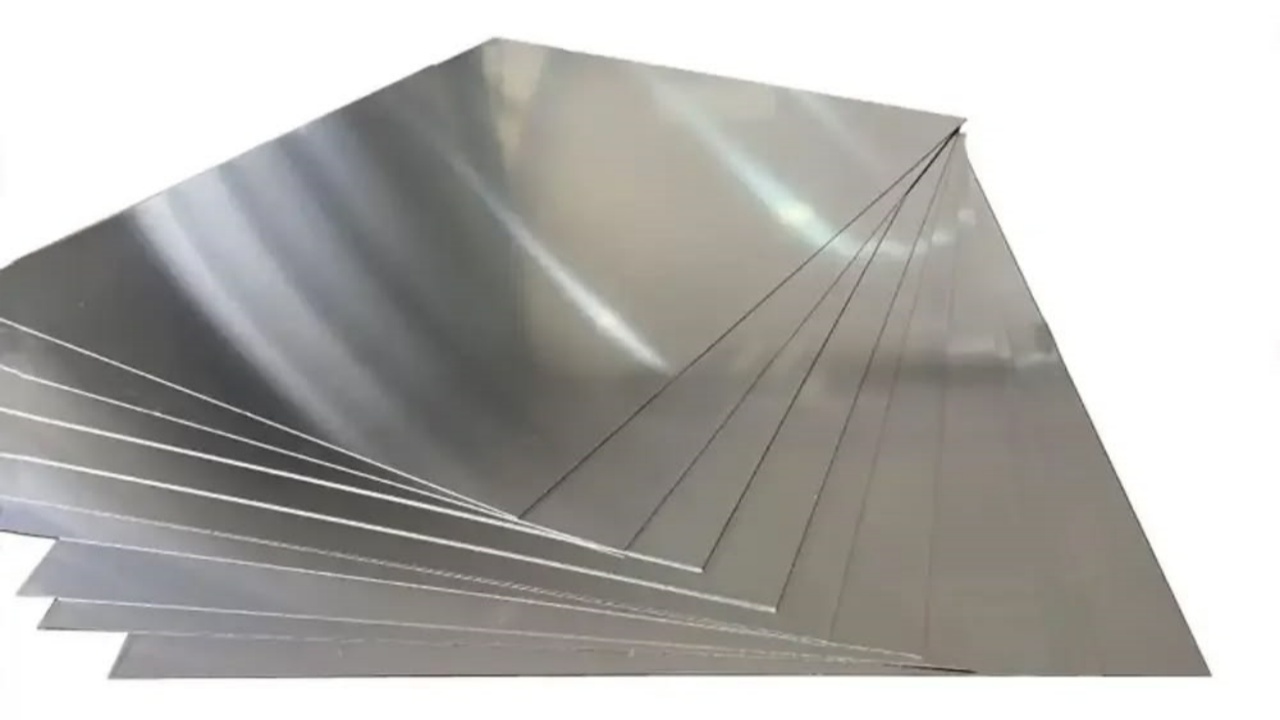
What Is 439 Stainless Steel? Complete Guide
439 Stainless Steel If you work in automotive manufacturing, exhaust system fabrication, or industrial processing, chances are you have encountered the need for a material that balances cost, performance, and durability. Enter 439 stainless steel ---...Read more -
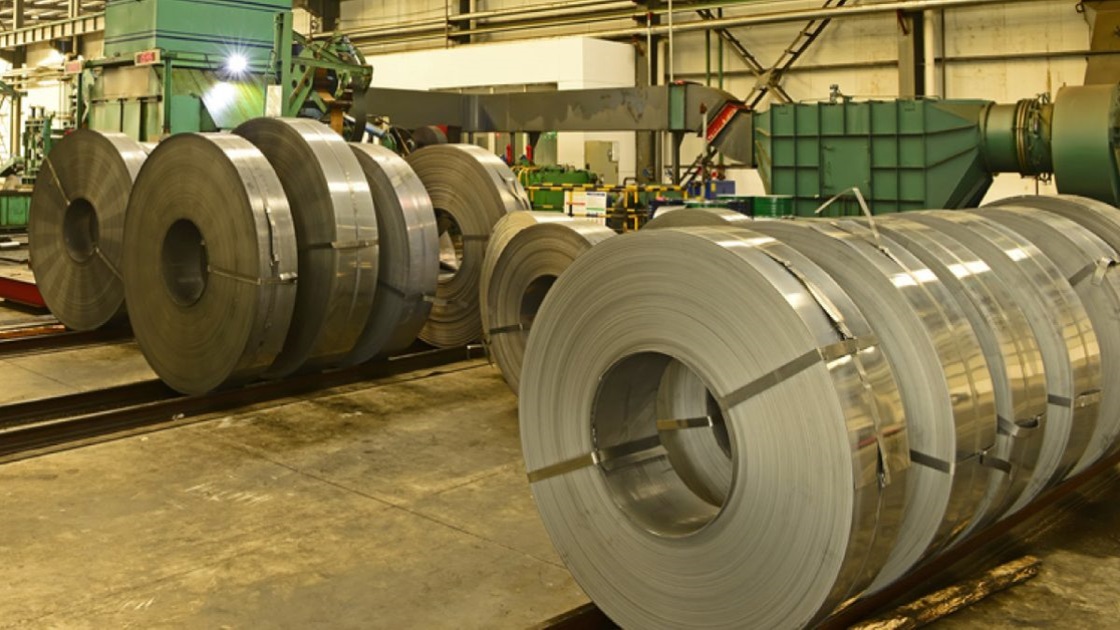
443 Stainless Steel vs 304 Which One Is Better
443 vs 304 443 stainless steel has gained attention as a cost-effective alternative in applications traditionally dominated by austenitic grades like 304. With rising nickel prices and a push for nickel-free materials, many manufacturers and buyer...Read more -
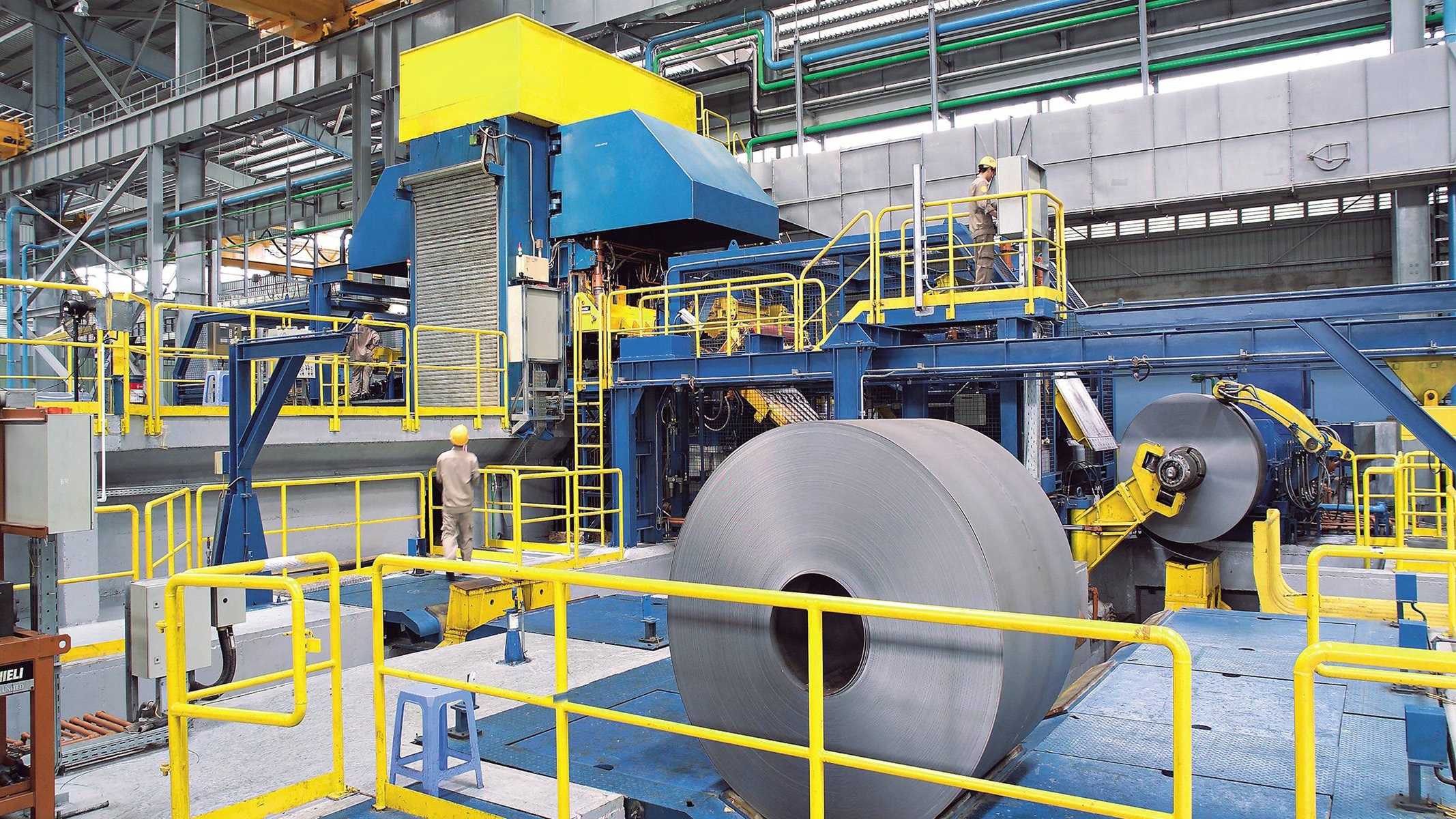
How to Choose a Reliable Stainless Steel Mill in China
How to Choose a Reliable Stainless Steel Mill in China Stainless steel mill operations in China represent a cornerstone of the global metals industry, delivering high-volume, high-quality materials that power everything from construction to consum...Read more -
410S Stainless Steel: Composition, Properties and Applications
What Is 410S Stainless Steel? Among the ferritic stainless steel family, 410S stainless steel occupies an irreplaceable position due to its unique "non-hardening" characteristic and well-balanced overall performance. As a low-carbon, non-hardening mod...Read more